Secondary Property in Dubai 2026: Best Areas, Prices, Yields and Buying Guide

Secondary Property in Dubai 2026. Buying property in Dubai does not always mean purchasing a new apartment directly from a developer. A secondary property gives buyers the chance to purchase a home that is already built, owned and ready to use. You can inspect the property, check its condition, compare its market price and move in or rent it out after completing the required process.
In this guide, we explain what secondary property means in Dubai, how the resale market works, the best areas to consider, expected rental yields, buying costs, legal steps, advantages, risks and important tips for buyers.
What Is a Secondary Property in Dubai?
A secondary property is simply a home that already exists. It is not a plan on paper or a tower still under construction. It is a finished apartment, villa or townhouse that someone already owns, and that owner is now selling it to you.
People also call this the “resale market” or the “ready market.” Instead of buying from a developer, you buy from a private individual, through a direct deal or a real estate agent. The building is already standing, the unit is already built, and in most cases, you can walk through every room before you sign anything.
This is very different from an off-plan purchase, where you pay for a property that will only be ready in two, three, or even five years. With a secondary property, what you see is what you get today not someday.
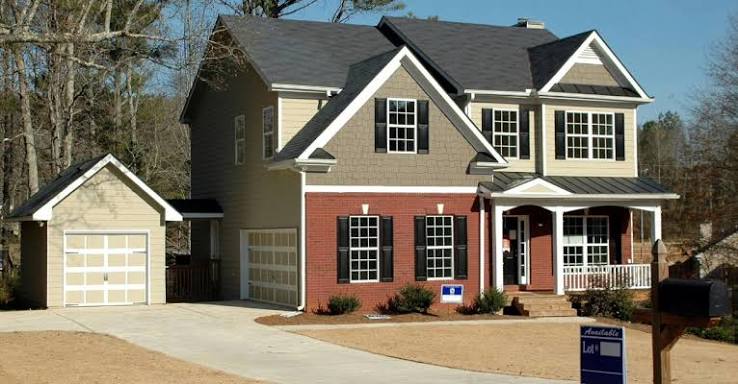
Dubai Secondary Property Market
Dubai’s property market had a wild few years. After record-breaking growth in 2024 and 2025, 2026 has brought a calmer, more balanced phase. This is good news for secondary property buyers, because prices are settling into more realistic levels instead of jumping every month.
Here is what the numbers tell us:
- Dubai recorded more than 267,000 property transactions in 2025 the highest number ever seen in the city.
- In the first half of 2026 alone, the market saw close to 88,000 transactions worth around AED 292 billion showing that demand is still strong even after the cool-down.
- Off-plan sales still lead the market by volume, making up roughly 70–76% of deals in most quarters of 2026. The secondary market holds the remaining 24–30%.
- Even though off-plan wins on the number of deals, secondary (ready) properties often carry higher individual price tags, meaning resale homes hold a big share of the total money moving through the market.
- Business Bay, Jumeirah Village Circle (JVC) and the Burj Khalifa area remain the most active and liquid secondary market districts.
- Palm Jumeirah, Palm Jebel Ali and Downtown Dubai continue to lead the luxury resale segment.
For buyers, this shift matters. A market that is “normalising” rather than overheating means fewer bidding wars, more room to negotiate and a better chance to buy at a fair price instead of chasing the market.
Read Also: Custom TV Unit Dubai: Design, Cost and Buying Tips

Rental Yields in 2026
One of the biggest reasons people buy secondary property in Dubai is rental income. Here is where things stand in 2026:
- Average gross rental yields across Dubai sit between 5% and 8% depending on the area and property type.
- JVC remains the yield leader, with gross returns often reaching 7.5% to 9% especially for studios and smaller apartments.
- Dubai Marina offers a strong mix of yield and value growth, with gross yields around 5.9% to 7% paired with steady price appreciation.
- Downtown Dubai and Business Bay stay popular for their location and tenant demand even though yields there tend to be a bit lower in the 5% to 6.5% range.
For comparison, most major global cities like London, New York or Singapore offer rental yields of 2% to 4%. Dubai secondary market simply pays more and because there is no income tax on rent, you keep every dirham you earn.
Why Smart Buyers Are Choosing Dubai for a Second Home
Before we get into the how-to, let’s look at why Dubai keeps pulling in buyers from around the world, year after year.
A Property Market That Still Offers Real Value
Despite years of growth, Dubai property remains more affordable than many other global cities with similar lifestyle offerings. You can still find quality apartments and villas at prices well below what you’d pay in London, Paris or Hong Kong, while enjoying a five-star standard of living.
Zero Property Tax, Zero Income Tax
This is the detail that changes everything. In Dubai:
- There is no annual property tax.
- There is no tax on rental income.
- There is no capital gains tax when you sell, no matter how much profit you make or how long you owned the property.
Compare that to most Western countries where a chunk of your rental income and sale profit disappears into taxes every single year.
An Outstanding Quality of Life
Dubai offers sunshine almost all year round, clean beaches, extremely low crime rates and world-class infrastructure. Hospitals, schools, shopping malls and restaurants are all built to a high standard. English is widely spoken, making it easy for newcomers to settle in fast.
Best Areas to Buy Secondary Property in Dubai
Not every neighbourhood suits every buyer. Here are the areas delivering the strongest results for secondary property buyers in 2026:

| Area | Best For | Typical Gross Yield | Why Buyers Like It |
|---|---|---|---|
| Dubai Marina | Lifestyle + rental income | 5.9% – 7% | Waterfront views, lively expat community, strong resale liquidity |
| Downtown Dubai | Prestige + capital growth | 5% – 6.5% | Burj Khalifa, Dubai Mall, premium tenants |
| Jumeirah Village Circle (JVC) | Highest rental yield | 7.5% – 9% | Affordable entry price, huge tenant demand |
| Business Bay | Balance of liquidity and yield | 6% – 6.5% | Central location, strong resale activity |
| Palm Jumeirah | Luxury villas and branded residences | 4% – 6% | Iconic address, strong long-term value |
| Jumeirah Beach Residence (JBR) | Beachfront family living | 5% – 7% | Walk-to-beach lifestyle, steady holiday rental demand |
| Dubai Hills Estate | Family-friendly, green spaces | 5.5% – 6.5% | Parks, good schools, quieter pace of life |
A quick tip from experience: areas with the highest yield (like JVC) are great for cash flow, while areas like Dubai Marina and Downtown tend to hold their value better and sell faster when you decide to exit.
Types of Secondary Property You Can Buy
Dubai’s resale market offers something for every budget and lifestyle:
- Apartments – The most common choice. Ranges from studios to four-bedroom units, usually inside buildings with a pool, gym and 24-hour security.
- Villas – Private homes with a garden and often a private pool. Popular with families who want more space and privacy.
- Penthouses – Top-floor units with large terraces, panoramic views and premium finishes.
- Townhouses – A middle ground between an apartment and a villa, usually found in quiet, gated communities.
- Serviced Apartments – You own the unit but it runs like a hotel room, managed on your behalf. Ideal if you only visit Dubai a few weeks a year.
Key Advantages of Buying Secondary Property
1. Move In or Start Earning Rent Immediately
There is no waiting for construction to finish. Once the paperwork is done you can move in or hand the keys to a tenant right away. Off-plan buyers often wait two to five years before they see a single dirham of rental income secondary buyers skip that wait completely.
2. You Can Inspect Every Detail Before You Buy
With a secondary property, nothing is hidden. You can walk through the rooms, check water pressure, test the air conditioning, open every cupboard and stand on the balcony to judge the real view and noise levels. This kind of certainty simply isn’t possible with a property still being built.
3. Established Communities With Working Infrastructure
Older, developed neighbourhoods already have functioning schools, clinics, supermarkets, parks and public transport links. You are not gambling on infrastructure that might be delayed or changed later.
4. More Predictable Rental Income
Because these communities already have a track record, you can check actual historical rents instead of guessing. This makes your income projections far more realistic than estimates for a brand-new, unproven building.
5. Accurate Price History
Secondary properties come with years of sales data attached to the building and the area. This means you can negotiate from a position of knowledge, not guesswork.
Disadvantages and Risks to Keep in Mind
No investment is perfect and secondary property comes with its own set of trade-offs.

Maintenance and Renovation Costs
Older units may need repairs, repainting or appliance upgrades. Many owners sign up for annual maintenance contracts, which in 2026 typically cost between AED 1,500 and AED 6,000 per year, depending on the level of service.
Higher Upfront Price Compared to Off-Plan
Off-plan units are often 10% to 20% cheaper than a similar finished property mainly because developers offer discounts and flexible payment plans to attract early buyers. If your budget is tight, this gap matters.
Full Payment Upfront
Unlike off-plan purchases, where you can often pay in instalments over several years, secondary property usually requires the full amount (or a mortgage) at the time of transfer. There’s no drawn-out payment plan to lean on.
No Price Flexibility Like Developer Incentives
When you buy from a developer there may be cashback offers, free service charges for a year or furniture packages thrown in. Private sellers rarely offer these kinds of extras.
Primary vs Secondary Property: What’s the Real Difference?
| Factor | Off-Plan (Primary) | Secondary (Resale) |
|---|---|---|
| Price | Usually 10–20% cheaper | Market price, less room to negotiate |
| Move-in time | Years, until construction completes | Immediate |
| Payment | Flexible instalment plans | Mostly full payment or mortgage upfront |
| Ability to inspect | Not possible before completion | Full inspection before buying |
| Rental income | Starts only after handover | Starts right away |
| Risk | Construction delays, developer risk | Hidden repair needs, less negotiating leverage |
| Best for | Long-term capital growth, lower entry cost | Immediate income, certainty, established living |
If your goal is steady income starting now secondary property wins. If your goal is the lowest possible entry price and you can wait a few years, off-plan may suit you better.
How to Buy Secondary Property in Dubai
Buying a resale property in Dubai follows a clear legal path. Here is how it works broken into three simple phases.
Phase 1: Agreement
- Decide on your budget and the type of property (apartment, villa, penthouse or townhouse).
- Research neighbourhoods, rental demand and recent resale prices in that area.
- View the property in person and agree on a price with the seller.
- Sign the Memorandum of Understanding, known as Form F, with the seller.
- Pay a security deposit, usually around 10% of the purchase price through a deposit cheque.
Phase 2: Clearance
- Apply for a No Objection Certificate (NOC) from the developer confirming there are no outstanding service charges.
- Clear any pending utility bills (DEWA and other service accounts) linked to the unit.
- If you are financing the purchase, secure final mortgage approval from your bank.
- Have a lawyer review all documents to confirm the property has no debts, liens or legal disputes attached to it.
Phase 3: Transfer
- Both parties meet at the Dubai Land Department (DLD) or an approved Registration Trustee office.
- Settle the remaining payment usually via a manager cheque.
- Pay the required registration fees to DLD.
- Receive your new Title Deed officially confirming you as the legal owner.
The entire process, from agreement to title deed usually takes between 30 and 60 days, depending on how fast financing and document checks move.
Costs and Fees You Should Budget For
Buying secondary property comes with a few fees beyond the purchase price itself. Here is what to expect in 2026:

- DLD Registration Fee: 4% of the purchase price usually split between buyer and seller though in practice the buyer often covers it.
- Real Estate Agency Fee: Around 2% of the price, plus 5% VAT on that commission.
- Developer NOC Fee: Between AED 500 and AED 5,000, depending on the building and developer.
- Trustee Registration Fee: Roughly AED 2,000 to AED 4,000 paid at the Registration Trustee office.
- Title Deed Issuance Fee: A flat AED 250 charged by DLD.
- Mortgage Registration Fee (if financing): Around 0.25% of the loan amount plus a bank processing fee.
A simple rule of thumb many buyers use: set aside an extra 6% to 8% of the purchase price for total transaction costs, on top of the property price itself.
Understanding Freehold Areas
If you are new to Dubai property “freehold” is a term you’ll hear constantly. Freehold areas are specific zones where foreign buyers, whether resident or not, can own 100% of the property and the land beneath it for life with full rights to sell, rent or pass it on to family.
Popular freehold areas include Dubai Marina, Downtown Dubai, Palm Jumeirah, Business Bay, JVC and Dubai Hills Estate. Outside freehold zones, foreign ownership is usually restricted so always confirm an area’s status before falling in love with a property.
Tax and Legal Aspects You Need to Know
Dubai’s tax-free structure is a huge part of its appeal:
- No annual property tax on owning your home.
- No tax on rental income, whether you rent long-term or short-term.
- No capital gains tax when you sell, regardless of profit size or how long you held the property.
That said, “tax-free” doesn’t mean “paperwork-free.” Always hire a qualified real estate lawyer to review the Sales and Purchase Agreement (SPA) confirm the seller’s legal right to sell and check for any debts or disputes tied to the unit before you commit.
What Affects Secondary Property Prices in 2026–27
Several forces shape how much you’ll pay for a resale property:
- Location and connectivity – Proximity to business districts, the metro, schools and the beach all push prices up.
- Building age and condition – Newer, well-maintained buildings command higher resale prices than older ones needing upgrades.
- Interest rates – Higher borrowing costs can slow buyer demand and soften price growth.
- Supply pipeline – Areas like JVC, with thousands of new units still being completed may see short-term price softening even while demand stays strong.
- Economic growth – The UAE economy is projected to keep expanding through 2027 which generally supports property demand and pricing over the medium term.
- Government policy – Visa reforms, Golden Visa rules tied to property investment and incentives for foreign buyers continue to shape how attractive the market looks to international investors.
Looking into 2027, most analysts expect a steadier more mature market: slower price growth than the sharp jumps seen in 2025–2026 but a healthier balance between buyers and sellers and continued strength in rental demand.
Tips Before You Buy
- Study the market first. Read recent reports from reputable property platforms and the Dubai Land Department before making any decision.
- Bring an expert to the viewing. A property inspector or contractor can spot plumbing, electrical, or structural issues that aren’t obvious to the untrained eye.
- Check upcoming development plans. A new metro station, mall or park nearby can boost both rental value and resale price.
- Be ready to negotiate. Bargaining is completely normal in Dubai property market so don’t accept the first asking price without discussion.
- Work with a licensed real estate agent. A good agent protects your interests, speeds up the paperwork and often knows about listings before they hit public portals.
FAQs About Secondary property in Dubai
Is secondary property a good investment in Dubai in 2026?

Ans: Yes. With rental yields between 5% and 9% depending on area, zero property and income tax and immediate rental income, secondary property remains one of the strongest income-generating investments available in Dubai today.
Can foreigners buy secondary property in Dubai?
Ans: Yes in designated freehold areas, foreign buyers, resident or not can own 100% of a property and the land it sits on.
How long does it take to buy a secondary property in Dubai?
Ans: Most transactions complete within 30 to 60 days, from signing the initial agreement to receiving the title deed.
Is secondary property cheaper than off-plan?
Ans: Usually not. Off-plan units tend to be 10% to 20% cheaper, since developers offer discounts to attract early buyers. However secondary property gives you immediate income and zero construction risk.
What fees should I budget for beyond the purchase price?
Ans: Plan for around 6% to 8% extra, covering DLD registration, agency commission, NOC fees, trustee charges and the title deed issuance fee.
Conclusion
Secondary property in Dubai offers something off-plan simply cannot: certainty. You see exactly what you’re buying, you can rent it out or move in immediately, and you benefit from established communities with working infrastructure. Yes, you’ll pay a bit more upfront than an off-plan buyer, and you won’t get flexible instalment plans — but in exchange, you get a tax-free income stream starting from day one.




About The Author