How To Start A Daycare In UAE 2027: A Complete Step-by-Step Guide
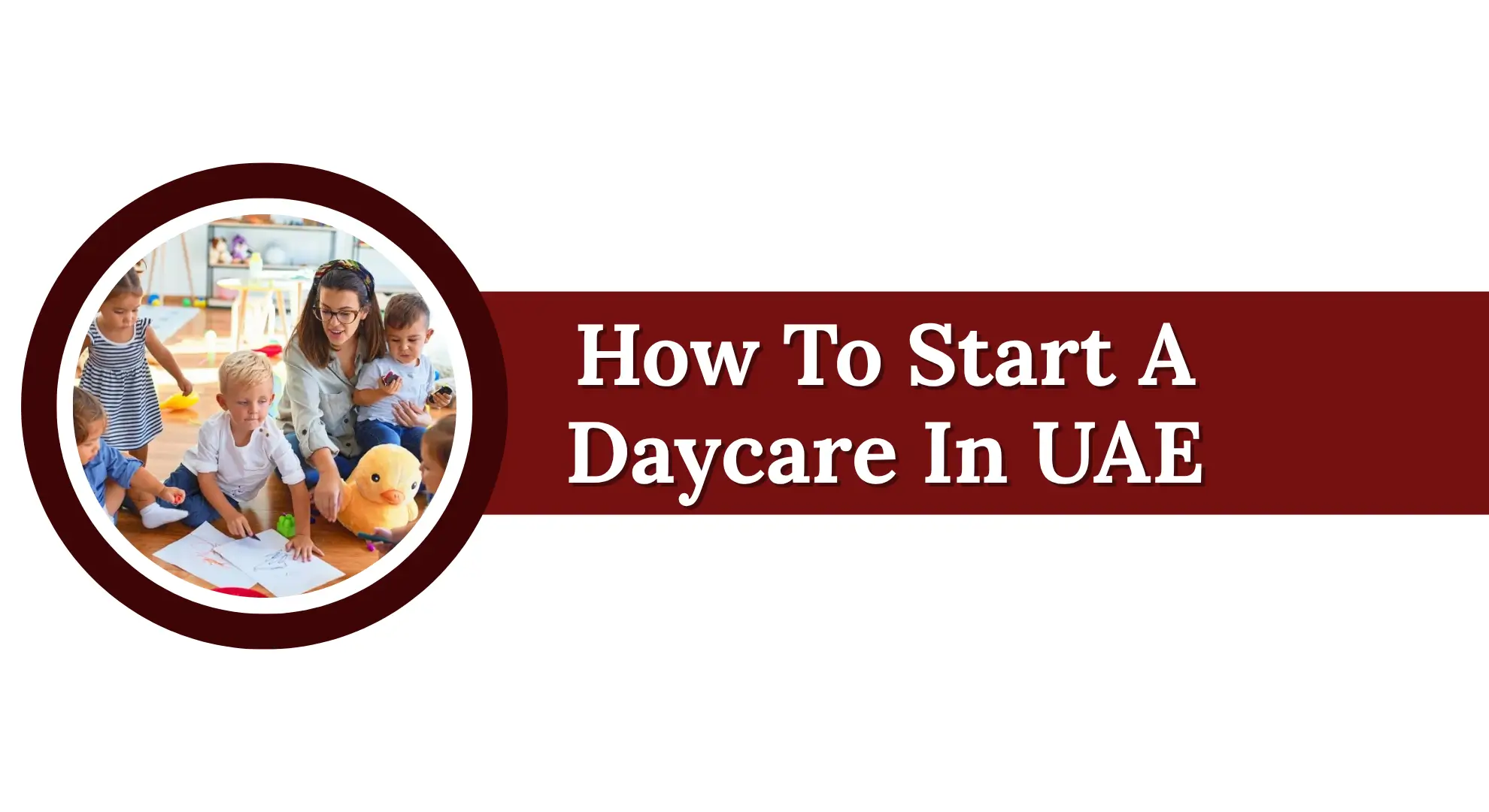
How To Start A Daycare In UAE 2027. The UAE has become one of the best places in the region to open a daycare or nursery. More parents are working full-time jobs, the expat population keeps growing, and families are actively looking for safe, high-quality places to leave their children during the day. This mix of demand and steady population growth makes daycare a business with real long-term potential.
But this is not a business you can start overnight. A daycare deals directly with young children, so the UAE government keeps a close eye on every part of it — from the size of your classrooms to the number of staff you hire. If you skip a step or ignore a rule, you can face heavy fines or even lose your license before you open your doors.
This guide walks you through everything you need to know to start a daycare in the UAE the right way the rules, the paperwork, the costs, the staffing and the small details that most people forget until it’s too late.
Why the Daycare Industry in the UAE Is Growing So Fast
Before jumping into the setup process, it helps to understand why this market is worth entering in the first place.
- More working parents: Dual-income households are now the norm in most UAE cities, not the exception. Both parents often work full-time, which means someone reliable has to look after young children during the day.
- Large expat population: A big share of UAE residents are expats without extended family nearby. In many home countries, grandparents or relatives help with childcare. In the UAE, that support system usually does not exist, so parents turn to daycares instead.
- Rising female workforce participation: More women are joining the workforce every year across the UAE, which directly increases the need for dependable childcare options.
- Growing awareness of early education: Parents no longer see daycare as just a place to “drop off” children. They want early learning, structured routines, and programs that help children develop before they even start school.
All of this adds up to steady demand, healthy recurring revenue (parents pay monthly or annually, and most re-enroll every year), and room for new, well-run centres to compete with established ones.
Read Also: How To Create a PayPal Account In UAE: A Complete Step-by-Step Guide
How the Daycare Industry Works in the UAE
Childcare in the UAE is treated as a serious, regulated sector not a casual business you can run out of a spare room. The goal of all this regulation is simple: keep children safe and make sure every centre actually delivers quality care.
At the federal level, early childhood education is generally supervised by the Ministry of Education and, more specifically, by the Federal Authority for Early Childhood Education (FAEE), which sets national standards for nurseries. On top of that, every emirate has its own local authority that issues the actual trade license and enforces additional local rules.
- In Dubai, this local authority is the Department of Economy and Tourism (DET) for the trade license, alongside the Knowledge and Human Development Authority (KHDA), which is the main regulator for private education, including nurseries.
- In other emirates, similar roles are played by the local Department of Economic Development (DED) and the relevant education authority.
- Some entrepreneurs also choose a free zone setup, which can allow 100% foreign ownership but limits where the physical daycare can be located.
The most successful daycare owners understand one thing early on: parents are not just paying for babysitting. They are paying for safety, structure, and early learning. Centres that offer age-appropriate activities, a real curriculum, and a genuinely caring environment are the ones that build a waiting list not just the ones that meet the bare minimum requirements.
Who Is Allowed to Own a Daycare in the UAE?
This is one of the first questions every entrepreneur asks, and it catches a lot of people off guard.
On the mainland, education-related businesses including nurseries and daycares are treated differently from most other commercial activities. Even though UAE law now allows 100% foreign ownership for many business categories, education licensing is one of the areas where this does not automatically apply. In practice, a UAE national is usually required to hold ownership on the education license.
If you are not a UAE national, here are your realistic options:

- Partner with a UAE national who holds the majority share on the license, while you handle the day-to-day management and operations.
- Work with a National Service Agent (NSA) who acts as the official local partner on paper, while you keep full control of daily operations.
- Set up in a free zone, where full foreign ownership is allowed. Keep in mind this restricts your daycare to operating within that free zone or under its specific rules.
- Start as a manager or director at an existing UAE-owned nursery first, build your experience and network, and use that knowledge before launching your own centre later.
If you go down the local partnership route, get everything documented in a clear legal agreement from day one who owns what, who decides what, and how profits are split. A daycare’s reputation depends heavily on stability and trust, so a messy partnership dispute can do real damage to your brand.
Step-by-Step Process to Start a Daycare in the UAE
Here is the general order most successful daycare owners follow. Skipping ahead especially signing a property lease too early is the single biggest and most expensive mistake people make.
- Check location feasibility before anything else. Before you fall in love with a property, confirm that it can actually meet the education authority’s rules (ground floor access, enough indoor and outdoor space, correct residential zoning). Many promising properties get rejected at this stage.
- Write a full business and academic plan. Your business plan should cover your target market, pricing, competitors, and financial projections. Your academic plan should cover your curriculum, daily schedule, staff-to-child ratios, and health and safety procedures — this is the part education regulators focus on most closely.
- Choose your legal structure and reserve your trade name. Decide whether you are going mainland or free zone, then register your company name with the relevant economic department.
- Apply for initial approval from the education authority. Submit your academic plan and your own (or your director’s) credentials for review. This step usually takes a few weeks.
- Secure your premises and register the lease. Only sign your lease once your location has passed initial feasibility checks and you have preliminary approval in hand.
- Get Municipality and Civil Defence clearance. The Municipality checks your floor plan and general facility standards, while Civil Defence inspects fire safety equipment and issues a No Objection Certificate (NOC).
- Complete health authority clearance. The relevant health department checks hygiene, food safety, and general sanitation standards inside your facility.
- Hire your qualified staff. Recruit your director, teachers, and support staff based on the qualification and ratio requirements explained below.
- Pass the final inspection and receive your license. Submit your complete file trade license, tenancy contract, all NOCs — for a final on-site inspection. Once approved, you can legally open. Remember that this license needs to be renewed every year.

Key Licensing and Approval Requirements
A daycare in the UAE typically needs sign-off from several different government bodies before it can legally open. Each one is responsible for checking a different part of your operation, and missing even one can delay your launch by months.
| Approval Needed From | What They Check | General Timeline |
|---|---|---|
| Economic Department (DET/DED) | Trade license, business registration, activity approval | 1–2 weeks |
| Education Authority (FAEE / KHDA / MOE) | Curriculum, staff qualifications, academic and safety plan | 2 weeks to 6 months |
| Municipality | Building layout, floor level, ventilation, outdoor space | 2–4 weeks |
| Civil Defence | Fire safety systems, emergency exits, evacuation plans | 1–2 weeks |
| Health Authority | Hygiene, food safety, sanitation, staff health checks | 1–2 weeks |
| Community Development Authority (where applicable) | Additional social care licensing for extended care services | 2–4 weeks |
A quick breakdown of what each approval actually involves:
- Trade license: This is your basic legal right to operate as a business. You will need to choose the correct business activity code for nursery or childcare services.
- Education authority approval: This is the most detailed and most important approval. You must submit a full plan covering your teaching approach, daily routines, safety procedures, and staff qualifications. Operating without this approval is illegal, no matter how good your trade license looks.
- Municipality approval: Officials will physically visit your chosen property to confirm it meets structural and safety standards before you’re allowed to start any renovation work.
- Civil Defence clearance: You will need fire extinguishers, smoke and heat detectors, sprinkler systems, clearly marked emergency exits, and a written evacuation plan. Once you’re operational, regular fire drills are expected.
- Health authority clearance: Inspectors check your food preparation area (if you serve meals or snacks), general cleanliness, children’s health record-keeping, and staff health screening procedures.
Facility and Space Requirements You Cannot Ignore
The physical space of your daycare is one of the most heavily regulated parts of the entire setup. These rules exist for safety, and they will disqualify a property faster than almost anything else.
Location rules
- The facility generally must be on the ground floor, and in many cases infants under 18 months must always be kept on the ground floor specifically.
- The property must sit within a residential zone — not an industrial area or labour accommodation zone.
- A safety setback (open space) is usually required around the building, along with dedicated parking for staff and parents.
Building and construction standards
- Construction should be solid and permanent (concrete-type structures), not temporary wood-framed buildings.
- Windows need fine protective mesh to keep insects and pests out.
- Ventilation, lighting, walls, floors, and ceilings must all meet clean, defect-free standards.
Indoor space
- There is usually a minimum indoor space requirement per child (commonly cited around 2 to 2.5 square metres per child, depending on the authority).
- You need child-height bathrooms and hand-washing stations, a dedicated first-aid room, safe food storage and preparation areas, and separate sleeping areas for infants.
- Every piece of furniture inside the centre must be child-safe, with no sharp edges or unstable pieces.
Outdoor play area
- A dedicated outdoor play space is required, generally with a minimum size per child (often cited around 4 square metres per child).
- This area must be securely enclosed, shaded to protect children from direct sun, and fitted with age-appropriate play equipment.
- Safety flooring (shock-absorbing surfacing) is required under any climbing or play structures.
If a property fails on any of these points, no amount of paperwork elsewhere will save your application. Always check facility feasibility before signing anything.
Staffing Requirements and Qualifications
Your staff is the heart of your daycare, and regulators take staff qualifications extremely seriously. Salaries also typically make up the largest chunk of your monthly operating costs, so this section affects both your compliance and your budget.

Nursery Director
Your director generally needs:
- A bachelor’s degree in Early Childhood Education or a closely related field (a postgraduate qualification is often preferred, though not always mandatory)
- A minimum of around 3 years of hands-on experience in early childhood settings
- Recognized certifications from the relevant education authority
- A clean police clearance certificate
- Properly attested educational documents
Teachers
Teacher qualifications usually depend on the age group they will be working with:
| Age Group | Minimum Qualification | Additional Requirements |
|---|---|---|
| Infants (under 3 years) | Level 3 childcare certificate or a bachelor’s degree | Specialized training in infant and toddler care |
| Pre-Kindergarten / Foundation Stage | Bachelor’s degree in Education | Early childhood specialization preferred |
| Alternative pathway | Bachelor’s degree in any field + Level 3 certification | At least 2 years of hands-on early years experience |
All teaching staff should also hold current CPR and first-aid certification, along with properly attested degrees.
Staff-to-Child Ratios
These ratios are checked during inspections and cannot be adjusted based on your budget they are non-negotiable legal requirements.
| Age Group | Required Staff-to-Child Ratio |
|---|---|
| Under 12 months | 1 staff member for every 3 children |
| 12 to 24 months | 1 staff member for every 5 children |
| 2 to 3 years | 1 staff member for every 8 children |
| 3+ years, with a degree-qualified lead teacher | 1 staff member for every 13 children |
| 3+ years, without a degree-qualified lead teacher | 1 staff member for every 8 children |
A simple way to think about this: if you plan to enroll around 40 children spread across different age groups, you will likely need somewhere between 8 and 12 classroom staff, plus a director, an administrator, and support/cleaning staff. That can easily add up to 12–15 employees before you even open.
Hiring International Staff
Most nursery staff in the UAE are hired from outside the country, which means you will act as their employment sponsor. This process typically involves:
- Work visa processing (usually a matter of days once documents are ready)
- Medical fitness testing
- Emirates ID application
- Mandatory health insurance coverage
Budget for these costs per employee, not just the base salary, when you’re planning your staffing expenses.

Choosing the Right Curriculum for Your Daycare
Your curriculum shapes your brand, your pricing, and even who you’re able to hire. Here are the most common options operating successfully across the UAE:
| Curriculum Type | Best Suited For | Typical Fee Impact |
|---|---|---|
| British (EYFS) | Broad parent appeal, strong structure | Standard market pricing |
| Montessori | Child-led, hands-on, independent learning | 20–30% higher than standard |
| Reggio Emilia | Exploration and project-based learning | 10–20% higher than standard |
| American Curriculum | Families planning future schooling in the US | Similar to standard EYFS pricing |
| Bilingual/Trilingual Programs | Multicultural families wanting language exposure | 10–20% premium pricing |
Many top-performing centres also add at least one Arabic-language teacher and, for Muslim children, an Islamic studies component both of which tend to be expected as part of a well-rounded early years program in the UAE.
Safety And Child Welfare
Parents choose (and stay with) a daycare mainly because they trust it to keep their child safe. This trust has to be earned through visible, consistent safety practices, not just paperwork filed once a year.
- Surveillance: Install CCTV cameras covering all classrooms, hallways, and outdoor play areas.
- Secure entry systems: Only authorized parents or guardians should be able to pick up a child. Many centres use ID checks or coded entry systems.
- Child-proofed furniture: All furniture and fittings should have rounded edges, be securely anchored, and be free of small, swallowable parts.
- First-aid readiness: Keep trained first-aid staff on-site at all times, with clearly stocked first-aid kits in every classroom.
- Emergency and evacuation plans: Have a written, practiced plan for fires, medical emergencies, and other incidents, and run regular drills with both staff and children.
- Health screening: Maintain updated medical records for every child and require basic health checks or vaccination records at enrollment.
None of this is optional, and it should never be treated as a one-time compliance checkbox. Regular staff training and refresher drills are what actually keep children safe day to day.
How Much Does It Cost to Start a Daycare in the UAE?
This is usually the most important question for anyone seriously considering this business. Costs vary a lot depending on the emirate, the size of your facility, and the level of service you want to offer but here is a realistic breakdown based on typical setups.
Licensing and Government Fee Estimates
| Cost Category | Estimated Range (AED) |
|---|---|
| Trade license and business registration | 12,000 – 20,000 |
| Education authority approval and processing | 10,000 – 15,000 |
| Municipality and Civil Defence fees | Often included in permit costs |
| Health authority clearance | Varies by emirate |
| Additional social care licensing (where required) | 15,000 – 30,000 |
Full Startup Cost Breakdown
| Cost Category | Estimated Range (AED) | Notes |
|---|---|---|
| Licensing (all authorities combined) | 37,000 – 60,000 | Government fees only |
| Property lease (annual) | 50,000 – 200,000+ | Depends heavily on location and size |
| Renovation and fit-out | 30,000 – 100,000 | Making the space child-safe and compliant |
| Furniture and equipment | 50,000 – 150,000 | Child-sized furniture, play equipment, learning tools |
| Curriculum materials | 10,000 – 30,000 | Books, toys, and structured learning resources |
| Initial staffing (first month) | 50,000 – 80,000 | Director, teachers, and support staff |
| Marketing and branding | 5,000 – 20,000 | Website, signage, social media |
| Insurance | 5,000 – 15,000 | Liability, property, and staff coverage |
| Reserve/operating capital | 30,000 – 50,000 | Covers 3–6 months of operating costs |
Put together, most people realistically need somewhere between AED 200,000 and AED 650,000 to launch a mid-sized daycare properly, though larger or premium centres can easily require more. Rent tends to be the single biggest variable a ground-floor unit in a high-demand residential area can cost significantly more than a similar-sized space in a quieter neighborhood, so location choice directly shapes your total budget.
Realistic Timeline: From Planning to Opening Day
Most daycare owners underestimate how long this process actually takes. Here is a general phase-by-phase timeline:
| Phase | Timeframe | What Happens |
|---|---|---|
| Planning and location scouting | Months 1–2 | Business plan, curriculum choice, initial trade name reservation |
| Lease signing and application submission | Months 3–4 | Property lease finalized, education authority application submitted |
| Construction and inspections | Months 5–7 | Renovation, Municipality and Civil Defence checks, ongoing review |
| Staffing and procurement | Months 8–10 | Hiring, furniture setup, marketing launch, pre-registrations open |
| Final approval and launch | Months 10–12 | Final inspection, soft opening, full public launch |
Altogether, expect the full process to take somewhere between 6 and 12 months from your first planning meeting to your official opening day. Trying to rush this timeline is one of the most common reasons daycare launches run into compliance trouble.
What Revenue Can a Daycare in the UAE Realistically Generate?
Daycare fees vary widely depending on location, curriculum, and brand positioning. Here’s a general breakdown of how the market typically splits:
| Fee Tier | Annual Fee Per Child (AED) | Typical Areas |
|---|---|---|
| Budget | 12,000 – 25,000 | More affordable residential communities |
| Mid-range | 25,000 – 45,000 | Established suburban neighborhoods |
| Premium | 45,000 – 60,000+ | High-end residential and central areas |
If your centre enrolls between 40 and 60 children at mid-range pricing, your monthly revenue could realistically fall somewhere in the range of AED 100,000 to AED 150,000 — though actual results depend heavily on your occupancy rate, which usually takes time to build up.
Where That Revenue Typically Goes
Once you’re operational, here’s a general breakdown of monthly expenses as a share of revenue:
- Staff salaries: 50–70%
- Rent: 10–20%
- Food and supplies: 5–10%
- Utilities and maintenance: 3–5%
- Insurance and license renewals: 2–3%
- Marketing: 2–5%
- Miscellaneous costs: 2–5%
As you can see, staffing costs dominate your budget by a wide margin, which is exactly why getting your staffing plan and ratios right from the beginning matters so much — both for compliance and for your bottom line.
Common Mistakes First-Time Daycare Owners Make
Learning from other people’s mistakes is far cheaper than making your own. Here are the ones that come up again and again:
- Signing a lease before confirming location feasibility – This is the single most expensive mistake on this list.
- Underestimating staffing costs – New owners often budget for salaries but forget visa costs, medical insurance, and training expenses.
- Choosing a curriculum without checking teacher availability – Some curriculums require specialized, harder-to-find teacher qualifications.
- Ignoring outdoor space requirements – A property that looks perfect indoors can fail inspection entirely because it lacks proper outdoor play space.
- Delaying marketing until after opening – Enrollment takes time to build. Start building an online presence and a waiting list months before you actually open.
- Treating regulations as a one-time task – Approvals need to be renewed and standards need to be maintained continuously, not just met once during setup.
Tips for Building a Successful
Getting licensed is only the beginning. Here’s how to actually build a daycare that parents trust and recommend to others.

- Focus on quality over shortcuts. Parents notice hygiene, safety, and staff attentiveness immediately. Invest in ongoing staff training rather than treating it as a one-time onboarding task.
- Build a genuine brand presence. Share photos (with parental consent) of activities, celebrate milestones, and let happy parents leave reviews. Word-of-mouth and social proof matter enormously in this industry.
- Respect the UAE’s multicultural environment. Offer flexible schedules, multilingual staff where possible, and a curriculum that reflects and respects different cultural backgrounds.
- Stay on top of regulation changes. Rules around ratios, facility standards and licensing can be updated. Make it someone’s job even if that someone is you to check for updates regularly.
- Keep communication open with parents. Regular updates, parent-teacher check-ins, and occasional events build the kind of trust that keeps families enrolled year after year and encourages them to refer other parents to you.
FAQs
Can a foreigner own a daycare in the UAE?
Ans: On the mainland, education licenses usually require a UAE national to hold ownership. Foreigners can still enter the business through a local partner, a National Service Agent, or by setting up in a free zone that allows full foreign ownership.
How much money do I need to start a daycare in the UAE?
Ans: Most people need somewhere between AED 200,000 and AED 650,000 to launch a mid-sized daycare, depending on location, size, and the quality of fit-out and staffing.
How long does it take to get a daycare license in the UAE?
Ans: The full process, from planning to opening day, usually takes 6 to 12 months, mainly because education authority approval and facility inspections take time.
Can a daycare operate from an upper floor of a building?
Ans: No. Daycare and nursery facilities are generally required to be on the ground floor, and infants under 18 months usually must be kept on the ground floor specifically.
What qualifications does a daycare teacher need in the UAE?
Ans: This depends on the age group. Infant caregivers typically need a Level 3 childcare certificate or a bachelor’s degree, while teachers for older age groups usually need a bachelor’s degree in education, along with CPR and first-aid certification.
What is the required staff-to-child ratio in a UAE daycare?

Ans: Ratios vary by age. For example, infants under 12 months typically require 1 staff member for every 3 children, while children aged 3 and above with a degree-qualified lead teacher can have 1 staff member for every 13 children.
Do I need Civil Defence approval for a daycare?
Ans: Yes. Civil Defence must inspect and approve your fire safety systems, including fire extinguishers, smoke detectors, sprinklers, and clearly marked emergency exits, before you can operate.
Which curriculum is best for a daycare in the UAE?
Ans: There is no single “best” option — it depends on your target families. British EYFS has the widest general appeal, Montessori and Reggio Emilia attract parents looking for hands-on learning, and bilingual programs work well for multicultural communities.
Is a mainland or free zone license better for a daycare?
Ans: Mainland licenses allow you to operate directly within residential communities, which is important for a daycare, while free zones offer full foreign ownership but limit where you can physically operate. Most daycares choose mainland setups for this reason.
How much can a daycare in the UAE earn per month?
Ans: A mid-sized centre with 40 to 60 enrolled children at mid-range fees can realistically generate between AED 100,000 and AED 150,000 in monthly revenue, though actual earnings depend heavily on occupancy and location.
Conclusion
Starting a daycare in the UAE is not a quick or simple business to launch, but it is one of the more stable and rewarding sectors you can enter. The demand is real, the market keeps growing, and families are willing to pay for genuine quality and safety. The businesses that succeed here are the ones that treat regulation as a foundation rather than an obstacle securing the right approvals in the right order, hiring properly qualified staff and building a facility that feels genuinely safe and welcoming rather than just technically compliant.



About The Author