ADCB Swift Code 2027: Complete Guide To List of Codes, Branches And How to Use Them
ADCB Swift Code 2027. Sending money across borders can feel confusing, especially when you are asked to enter a “SWIFT code” or “BIC code” and you have no idea where to find it. If you are trying to send or receive money through Abu Dhabi Commercial Bank (ADCB), you have landed in the right place.
This guide breaks down everything about the ADCB Swift code, how it works, where to find the correct branch code, and how you can use it safely for your next international wire transfer.
We will keep things simple. No confusing banking jargon, no long paragraphs full of technical words. Just clear, easy-to-understand information that anyone can follow, even if this is the first time you are sending money abroad.
What Is a SWIFT Code and Why Does It Matter?
Before we jump into ADCB’s specific codes, let’s quickly understand what a SWIFT code actually is.
A SWIFT code (also called a BIC code) is a special set of letters and numbers that identifies a bank anywhere in the world. Think of it like a bank’s international address. Just like your home has a unique address so mail can reach you, every bank branch has a unique SWIFT code so money can reach it correctly.
SWIFT stands for “Society for Worldwide Interbank Financial Telecommunication.” It is a global messaging network that banks use to communicate securely with each other when transferring money internationally. Without this code, banks would not know exactly which financial institution and which branch should receive the funds.
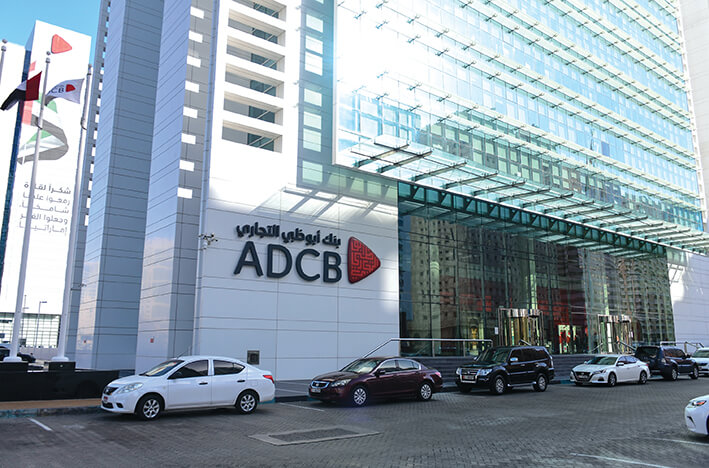
ADCB Swift Code: The Main Code You Need to Know
The primary SWIFT/BIC code for Abu Dhabi Commercial Bank is:
- ADCBAEAAXXX
This is the main, head office code for ADCB in the United Arab Emirates. Here are the full bank details tied to this code:
| Detail | Information |
|---|---|
| Bank Name | Abu Dhabi Commercial Bank |
| SWIFT Code | ADCBAEAAXXX |
| Address | Salam Street |
| City | Abu Dhabi |
| Country | United Arab Emirates |
This code represents ADCB’s main office for handling international payments. If the person you are sending money to hasn’t given you a specific branch code, using ADCBAEAAXXX is generally a safe choice. It is designed to work as a default code when a more specific branch code isn’t required.
Read Also: Abu Dhabi Zip Code: Complete Guide To List, Zip Code And P.O. Box
Understanding the ADCBAEAA
You may also come across a shorter, 8-character version of the code:
- ADCBAEAA
This is simply the base SWIFT/BIC code without the branch identifier attached at the end. Both ADCBAEAA and ADCBAEAAXXX point to the same bank Abu Dhabi Commercial Bank but the XXX at the end of the longer version specifically points to the head office branch.

| Detail | Information |
|---|---|
| Bank Name | Abu Dhabi Commercial Bank |
| SWIFT/BIC Code | ADCBAEAA |
| Country | United Arab Emirates |
| City | Abu Dhabi |
| Address | Abu Dhabi Commercial Bank, Salam Street, Abu Dhabi |
You will use this code the same way entering it into the BIC/SWIFT field when setting up an international wire transfer, along with the recipient’s IBAN or account number.
When Should You Use ADCBAEAAXXX?
Not every transfer situation is identical, so let’s go through the exact scenarios where the main code ADCBAEAAXXX is the right choice to use.
You should use ADCBAEAAXXX when:
- You are sending an international money transfer to someone who banks with Abu Dhabi Commercial Bank in the UAE.
- The person receiving the money hasn’t shared a specific branch SWIFT code with you.
- ADCB is processing the payment centrally through its main office rather than a specific branch.
- You simply want to use a widely accepted, default code that works in most standard cases.
In short, if you’re unsure which exact branch the recipient’s account belongs to, the head office code is your safest bet. Most transfers will go through smoothly using this code because ADCB routes them internally to the correct account regardless of the specific branch.
ADCB Local Branch SWIFT Codes: Full List
While ADCBAEAAXXX works as the main code, ADCB also has several other SWIFT codes assigned to different departments and branches within Abu Dhabi and Dubai. If the recipient has specifically given you one of these codes, it is always best to use the exact one provided, since it may direct the payment more precisely.
Here is the complete list of ADCB’s local branch and department SWIFT codes:
| SWIFT Code | Location/Address | City |
|---|---|---|
| ADCBAEAA060 | 3/1 Al Qubaisi, A.D.C.B Building, Al Riggah Road, Dubai | Dubai |
| ADCBAEAACMD | Al Salam Street, Abu Dhabi | Abu Dhabi |
| ADCBAEAAFIN | Al Salam Street, Abu Dhabi | Abu Dhabi |
| ADCBAEAAREM | Al Salam Street, Abu Dhabi | Abu Dhabi |
| ADCBAEAATRY | Abu Dhabi Mall, Tourist Club Street, Abu Dhabi | Abu Dhabi |
| ADCBAEAAWMO | Salam Street, Abu Dhabi | Abu Dhabi |
| ADCBAEAAXXX | Salam Street, Abu Dhabi | Abu Dhabi (Head Office) |
Each of these codes serves a slightly different purpose within ADCB’s internal system some are tied to specific departments like treasury (TRY), remittance (REM), or corporate money desk (CMD), while others are tied to physical branch locations like the Dubai branch (060).
Full Bank Details for Abu Dhabi Commercial Bank
To make things even clearer, here is a simple summary table with everything you need in one place:
| Field | Details |
|---|---|
| Bank Name | Abu Dhabi Commercial Bank |
| SWIFT/BIC Code (Main) | ADCBAEAAXXX |
| SWIFT/BIC Code (Short) | ADCBAEAA |
| Head Office Address | Salam Street, Abu Dhabi |
| City | Abu Dhabi |
| Country | United Arab Emirates 🇦🇪 |
| Branch Type | Head Office |
| Number of Listed Branch Codes | 7 |
Keep this table saved or bookmarked it can save you a lot of time the next time you need to send or receive money through ADCB.
How To Use the ADCB SWIFT Code for a Transfer
Now that you know the code, let’s walk through exactly how to use it when setting up your transfer. This process applies whether you’re using your bank’s mobile app, website or visiting a branch in person.
Step 1: Copy the Correct SWIFT Code
Start by copying the correct SWIFT code ADCBAEAAXXX for the main office, or the specific branch code if the recipient gave you one. Double-check every letter and number, since even one mistake can delay or misdirect your payment.

Step 2: Start Your International Transfer
Log into your bank’s online banking portal or mobile app. If you prefer, you can also visit your bank’s branch in person and ask a representative to help you set up an international wire transfer.
Step 3: Enter the Bank and Recipient Details
Paste the SWIFT/BIC code into the designated field (usually labelled “SWIFT Code,” “BIC Code,” or “Bank Identifier Code”). Then enter the recipient’s full name, their account number, or their IBAN if applicable, along with ADCB’s address details if requested.
Step 4: Verify Everything Before You Confirm
Before hitting the confirm button, carefully check:
- The SWIFT code (ADCBAEAAXXX or the correct branch code)
- The recipient’s full name (spelled exactly as it appears on their bank account)
- The account number or IBAN
- The amount and currency you’re sending
A small typo in any of these fields can cause delays, extra fees, or even a failed transaction. It is always worth taking an extra minute to review everything.
Step 5: Send and Track Your Transfer
Once you confirm the transfer, most banks will give you a reference number or tracking ID. Keep this safe it will help you follow up if there are any delays or if you need to contact your bank or ADCB about the transfer status.
Format of SWIFT/BIC Code
Have you ever wondered why SWIFT codes look the way they do? They’re not random — every SWIFT or BIC code follows a strict international standard known as ISO 9362:2014. This standard makes sure that every bank around the world uses the same structure, so there is no confusion.
A SWIFT code is either 8 or 11 characters long, and each part of it tells you something specific:
- First 4 characters (letters only): This identifies the bank itself. For ADCB, this is “ADCB.”
- Next 2 characters (letters only): This is the country code, following the ISO2 standard. For the United Arab Emirates, this is “AE.”
- Next 2 characters (letters and numbers): This shows the city or location code. For ADCB’s main office, this is “AA.”
- Last 3 characters (optional, letters and numbers): This identifies a specific branch, department, or office. For the head office, this is “XXX.” For other branches, you might see codes like “060,” “CMD,” “FIN,” “REM,” “TRY,” or “WMO.”
So when you break down ADCBAEAAXXX, it reads as:
- ADCB → Abu Dhabi Commercial Bank
- AE → United Arab Emirates
- AA → Location/city code for the main office
- XXX → Head office branch code
Understanding this structure can help you recognize SWIFT codes for any bank in the world, not just ADCB, making your future international transfers much easier to manage.
How to Find the Correct SWIFT Code for Your Bank
If you need to double-check a SWIFT code, whether it’s for ADCB or any other bank, here are some simple and reliable ways to find it:
- Call your bank directly and ask a customer service representative for the correct SWIFT/BIC code.
- Log in to your bank’s mobile app or website, where the code is often listed under account details or international transfer sections.
- Check the FAQ or wire transfer section of your bank’s official website.
- Look at a hard copy of your bank statement, as many banks print the SWIFT code there.
- Search reliable online SWIFT/BIC code registries that list verified codes for banks worldwide.
- Ask the recipient directly, since they will usually have the most accurate and specific branch code for their own account.
It’s always a good idea to confirm the code through more than one source, especially for larger transfers, just to make sure everything matches up correctly.

Do You Have to Use Your Bank for International Transfers?
Not at all. While you can definitely use your regular bank to send money internationally to an ADCB account, it’s worth knowing that banks often charge higher fees and offer less favorable exchange rates compared to specialized international money transfer companies.
Many people are now choosing dedicated money transfer services instead of traditional banks because they usually offer:
Better Exchange Rates
Money transfer companies often provide exchange rates that are noticeably better than what banks offer. Over time, especially with regular transfers, this difference can add up to real savings.
Lower and More Transparent Fees
Instead of hidden charges buried in fine print, many transfer services show you exactly what you’re paying before you confirm anything. This transparency helps you understand precisely how much money will actually reach the recipient.
Faster Processing Times
While bank transfers can sometimes take several business days, many dedicated transfer services complete transactions on the same day, which can be extremely helpful when time is critical.
If you’re sending a large amount internationally, it may be worth comparing a few different transfer options before deciding whether to use your regular bank or a specialized transfer service.
ADCB’s SWIFT Services For Corporates and Businesses
SWIFT is not just useful for individuals sending personal remittances — it also plays a major role for businesses. ADCB offers dedicated SWIFT-based services designed specifically for corporate clients who need to manage treasury operations and cash flow more efficiently.
What ADCB Offers Corporate Clients Through SWIFT
ADCB provides access to SWIFT through two main corporate access models:
- Standardized Corporate Environment (SCORE)
- Member Administered Closed User Group (MA CUG)
These options allow companies to connect with ADCB directly through the SWIFT network without needing a full “Host-to-Host” connection, which can be complex and costly to set up.
Supported Message Types
Businesses using ADCB’s corporate SWIFT access can send and receive several types of standardized financial messages, including:
- MT 101 – Used for requesting fund transfers between accounts.
- MT 199 – Used for free-format financial messaging.
- MT 940 – Used for customer statement messages, giving businesses a clear view of account activity.
- MT 942 – Used for interim transaction reporting, offering more frequent account updates.
- MT 950 – Used for statement messages, similar to MT940 but with a different structural format.
Key Benefits of ADCB’s Corporate SWIFT Access
Businesses that connect with ADCB through SWIFT enjoy several important advantages:

- A Secure and Reliable Connection – SWIFT is globally recognized as one of the safest ways to exchange financial information between businesses and banks.
- One Single Interface – Instead of juggling multiple systems, companies can communicate with ADCB through a single standardized interface.
- Independence from Bank-Specific Systems – Businesses are not tied down to ADCB’s own proprietary connections like Host-to-Host setups or online portals.
- Greater Automation – SWIFT enables straight-through processing, which means fewer manual steps and fewer chances for human error along the entire financial supply chain.
- Standardized Transaction Processing – Since every message follows a globally recognized format, there is less risk of miscommunication between systems.
- Support for Centralization – Larger companies with multiple accounts or subsidiaries can gain much better visibility and control over their overall cash flow.
This makes ADCB’s SWIFT-based corporate solutions especially useful for medium and large businesses that handle frequent international transactions and need a dependable, automated system to manage them.
Common Mistakes to Avoid When Using a SWIFT Code
Even though using a SWIFT code seems simple, small mistakes can cause big headaches. Here are some common errors people make, and how to avoid them:
- Entering the wrong number of characters. Always double-check whether you need the 8-character code (ADCBAEAA) or the full 11-character version (ADCBAEAAXXX). Some banking systems require the full 11-character format even for the head office.
- Mixing up SWIFT code with IBAN. These are two completely different things. The SWIFT code identifies the bank and branch, while the IBAN identifies the specific customer account.
- Using an outdated code. Banks occasionally update or retire certain branch codes. If a transfer fails, it’s worth double-checking that the code is still active.
- Assuming every branch uses the same code. As you saw in the table above, ADCB has multiple codes for different branches and departments. Always use the most specific one if it has been provided to you.
- Not confirming the recipient’s details. Even with the correct SWIFT code, if the recipient’s name or account number is incorrect, the transfer can be delayed or rejected.
Taking a few extra minutes to verify these details before sending money can save you a lot of stress and potential delays later on.
FAQs About ADCB Swift Code
What is the main SWIFT code for Abu Dhabi Commercial Bank?
Ans: The main SWIFT/BIC code for Abu Dhabi Commercial Bank is ADCBAEAAXXX. The shorter 8-character version is ADCBAEAA.
Can I use ADCBAEAAXXX for any ADCB branch?
Ans: Yes, in most cases. This code represents ADCB’s head office and works as a reliable default when a specific branch code has not been provided. However, if the recipient shares a specific branch code, it’s best to use that instead.
Is the ADCB SWIFT code the same for all cities?
Ans: No. While ADCBAEAAXXX is the main head office code located in Abu Dhabi, ADCB also has other codes for departments and branches, including one specifically for its Dubai branch (ADCBAEAA060).
What is the difference between a SWIFT code and an IBAN?
Ans: A SWIFT code identifies the bank and branch, while an IBAN (International Bank Account Number) identifies the specific customer’s account. You typically need both when making an international transfer.

Where can I find ADCB’s SWIFT code if I don’t have internet access?
Ans: You can find it printed on your ADCB bank statement, by calling ADCB’s customer service line directly, or by asking at any ADCB branch in person.
Do I need the branch code, or is the head office code enough?
Ans: In most situations, the head office code (ADCBAEAAXXX) is enough, especially if the sender does not have a specific branch code. However, using the exact branch code, if available, can sometimes make processing faster.
How long does an international transfer to ADCB usually take?
Ans: This depends on the sending bank or transfer service, the currency involved, and whether any intermediary banks are used. It can range from same-day processing to a few business days.
Can businesses use SWIFT to connect directly with ADCB?
Ans: Yes. ADCB offers corporate SWIFT access through SCORE and MA CUG models, allowing businesses to manage treasury operations, request transfers, and receive account statements directly through the SWIFT network.
Conclusion
Understanding the ADCB Swift code doesn’t have to be complicated. Whether you’re sending money to a loved one, paying an international invoice, or managing corporate treasury operations, knowing the correct code — ADCBAEAAXXX for the main office, or one of the specific branch codes listed above — makes the entire process smoother and far less stressful.



About The Author