Orthodontist Dubai: Complete Best Braces, Invisalign And Treatment Guide 2027
Orthodontist Dubai. Finding the right Orthodontist in Dubai can help you improve your smile, bite, and overall oral health. Orthodontic treatment is not only about making teeth look straight. It can also make chewing easier, support better oral hygiene, and correct problems related to teeth and jaw alignment.
Dubai offers many orthodontic treatment options, including metal braces, ceramic braces, Damon braces, Invisalign, lingual braces, and early orthodontic care. Choosing the right treatment depends on your dental condition, age, treatment goals, budget, and the advice of a qualified orthodontic specialist.
This guide explains orthodontics in simple words, covers the main treatment options, explains their benefits and provides useful information about Orthodontist Dubai services and expected costs.
What Is an Orthodontist?
An orthodontist is a dental specialist who focuses on the position of teeth and the alignment of the jaws. While a general dentist handles many areas of oral care, an orthodontist receives additional specialist training to diagnose and treat problems such as crooked teeth, overcrowding, spacing, overbites, underbites, and jaw alignment issues.
Orthodontists may use different dental devices to move teeth into better positions. These can include:
- Traditional metal braces
- Ceramic braces
- Damon self-ligating braces
- Invisalign clear aligners
- Lingual braces
- Retainers
- Orthodontic appliances for children
- Growth guidance appliances
The main aim is to create a healthier and better-aligned bite while also improving the appearance of the smile.
Read Also: UAE Travel Safety Checklist: Complete Guide To Health And Safety Tips
Orthodontics Is More Than a Beautiful Smile
Many people think orthodontic treatment is only for cosmetic reasons. A straight smile can certainly improve confidence, but orthodontics can offer other important benefits.
When teeth are crowded or badly positioned, brushing and flossing can become difficult. Some areas may be hard to clean properly, which can allow plaque to build up. Over time, this may contribute to gum problems and tooth decay.
Poor tooth and jaw alignment can also affect the way a person bites and chews food. Orthodontic treatment can help improve the relationship between the upper and lower teeth. Some common problems that may benefit from orthodontic care include:
- Crooked teeth
- Protruding teeth
- Crowded teeth
- Gaps between teeth
- Overbite
- Underbite
- Crossbite
- Misaligned jaws
- Extra teeth
- Missing teeth with spacing problems
- Difficulty cleaning between teeth
- Bite-related problems
The right treatment depends on the patient’s individual condition. An orthodontist should examine the teeth and jaws before recommending a treatment.
What Makes a Smile Beautiful?
A beautiful smile is not simply about perfectly white teeth. Healthy gums, clean teeth, good tooth structure, and proper alignment all contribute to an attractive smile.
Crooked, crowded, protruding, or widely spaced teeth may make some people feel uncomfortable when smiling. Orthodontics can help correct many of these alignment problems and create a more balanced smile.
However, every smile is different. The goal of orthodontic treatment should be a healthy and functional result that also meets the patient’s cosmetic expectations.
Orthodontist Dubai: Why Specialist Care Matters
Orthodontic treatment can continue for months or, depending on the case, longer. Because teeth need to be moved gradually and safely, choosing an experienced orthodontic specialist is important. A good orthodontic clinic should provide:
- A proper dental examination
- Digital treatment planning where suitable
- Clear information about treatment choices
- Quality orthodontic materials
- Regular follow-up appointments
- Clear pricing information
- A treatment plan based on individual needs
- Appropriate aftercare and retention
Specialist orthodontists can assess the bite, tooth position, jaw relationship, and other factors before selecting an appropriate treatment.
8000+ Happy Invisalign Patients
Main Orthodontic Treatment Options in Dubai
There is no single orthodontic treatment that is best for everyone. Modern orthodontics offers several options, allowing patients to select a treatment that matches their needs.
The most common options include metal braces, ceramic braces, Damon braces, Invisalign, lingual braces, and early orthodontic treatment. Let’s look at each option in more detail.
Metal Braces
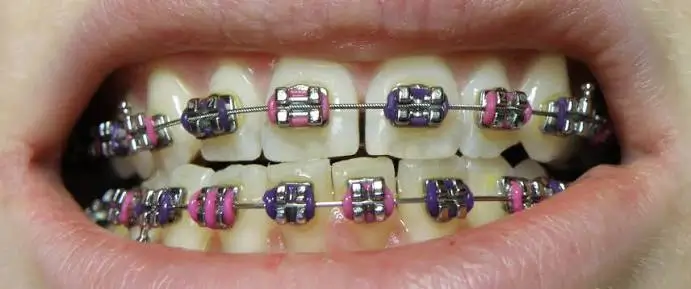
Traditional metal braces remain one of the most widely used orthodontic treatments.
They use brackets attached to the teeth and wires that apply controlled pressure. Over time, this pressure helps move the teeth toward their planned positions.
Benefits of Metal Braces
- Suitable for many types of orthodontic problems
- Strong and durable
- Effective for complex cases
- Usually more affordable than premium alternatives
- Available for teenagers and adults
- Does not depend on the patient remembering to remove or wear aligners
Modern metal braces can be smaller and more comfortable than older versions. They are still visible, but they remain a reliable choice for many patients.
Ceramic Braces
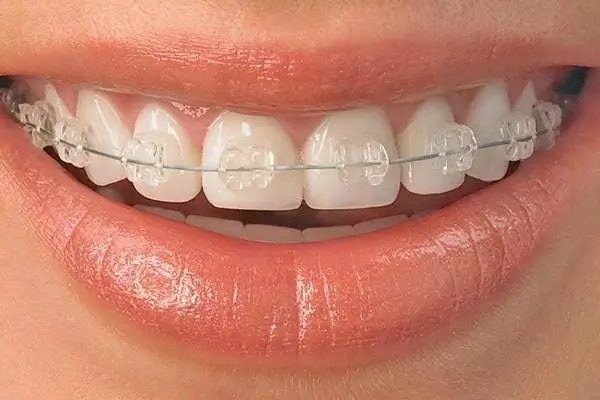
Ceramic braces work in a similar way to traditional braces, but the brackets are designed to blend more closely with the natural color of the teeth.
This makes them a popular choice for adults and teenagers who want a less noticeable treatment.
Advantages of Ceramic Braces
- Tooth-colored appearance
- Less noticeable than standard metal brackets
- Effective for many orthodontic cases
- Fixed to the teeth throughout treatment
- Suitable for patients who want a more discreet appearance
Ceramic braces can be more expensive than metal braces, and the final recommendation depends on the patient’s dental condition.
Damon Braces
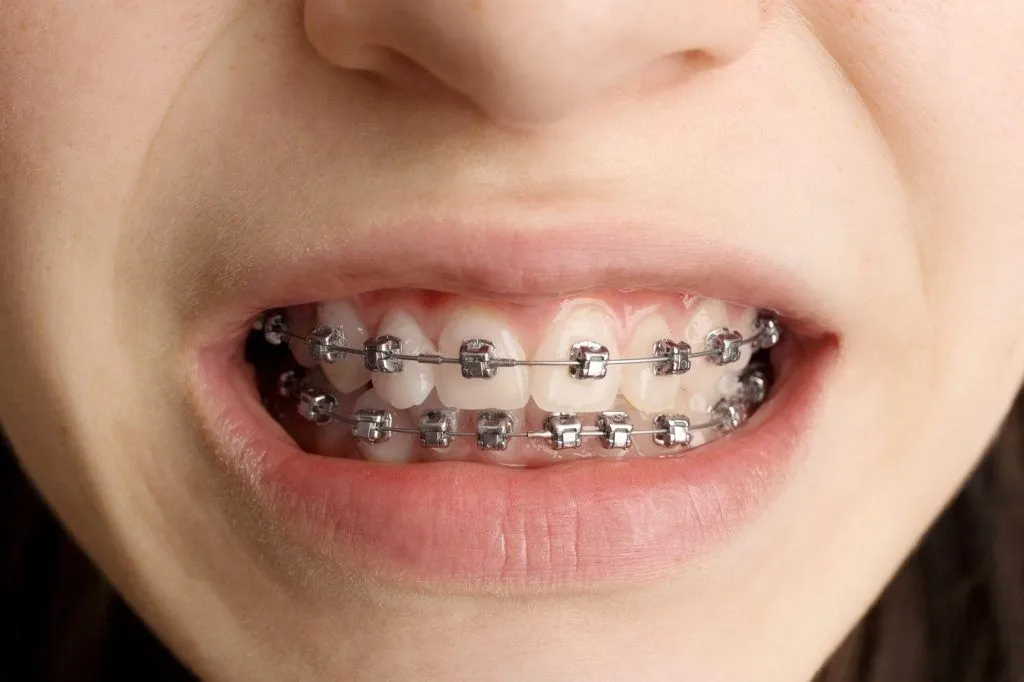
Damon braces are a type of self-ligating orthodontic system. They use a special bracket design that holds the orthodontic wire without traditional elastic ties.

They are designed to provide controlled tooth movement and may require fewer adjustment visits in some treatment plans.
Why Consider Damon Braces?
Patients may choose Damon braces because they offer:
- A modern bracket design
- A lower-profile appearance than some traditional braces
- Potentially fewer adjustment visits
- Comfortable orthodontic care when properly managed
- Options for both adults and teenagers
The treatment time varies from person to person. It depends on the complexity of the case, tooth movement required, and how well the patient follows the orthodontist’s instructions.
Invisalign and Clear Aligners
Invisalign and other clear aligner systems have become popular among adults and teenagers who want a discreet way to straighten their teeth.
Clear aligners are made from transparent material and are designed to fit over the teeth. A series of aligners is normally used, with each set gradually moving the teeth according to the treatment plan.
Main Benefits of Invisalign
1. Nearly Invisible
Clear aligners are difficult to notice when worn, making them attractive to people who do not want visible braces.
2. Removable
Unlike fixed braces, aligners can generally be removed for eating, drinking, brushing, and flossing.
3. Comfortable Design
The smooth surface of an aligner can reduce some of the irritation associated with brackets and wires.
4. Easy Oral Hygiene
Because aligners can be removed, patients can brush and floss their teeth normally.
5. Digital Treatment Planning
Modern clear aligner treatment uses digital scans and treatment planning to design a sequence for moving the teeth.
How Long Should Clear Aligners Be Worn?
Patients are generally instructed to wear clear aligners for most of the day. A common recommendation is around 22 hours per day, although the exact instructions depend on the treatment plan.
The aligners are normally changed according to the orthodontist’s instructions, often every one to two weeks.
Compliance is very important. If a patient does not wear the aligners for the recommended amount of time, treatment may not progress as planned.
Lingual Braces: Invisible Braces
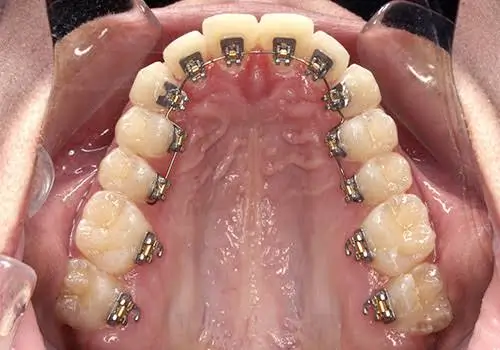
Lingual braces are placed behind the teeth rather than on the front surface.
Because the brackets are positioned on the inner side, they are difficult to see from the outside. This makes them an attractive option for people who want fixed orthodontic treatment without visible front braces.
Benefits of Lingual Braces
- Hidden behind the teeth
- No visible brackets on the front
- Fixed treatment
- Can provide precise tooth movement
- Suitable for selected orthodontic cases
Lingual braces require specialist planning and may cost more than traditional braces because of their customized design and placement.
Early Orthodontics for Children
Orthodontic care does not always need to wait until all permanent teeth have appeared. Early orthodontic assessment can help identify developing problems with tooth position, jaw growth, and bite. In some children, early treatment may help guide dental development and create better conditions for future permanent teeth.

Early orthodontic care may address:
- Developing bite problems
- Jaw growth concerns
- Crowding
- Lack of space for permanent teeth
- Certain crossbites
- Problems with tooth eruption
An orthodontist can determine whether a child needs immediate treatment, monitoring, or treatment at a later age.

Orthodontics for Adults
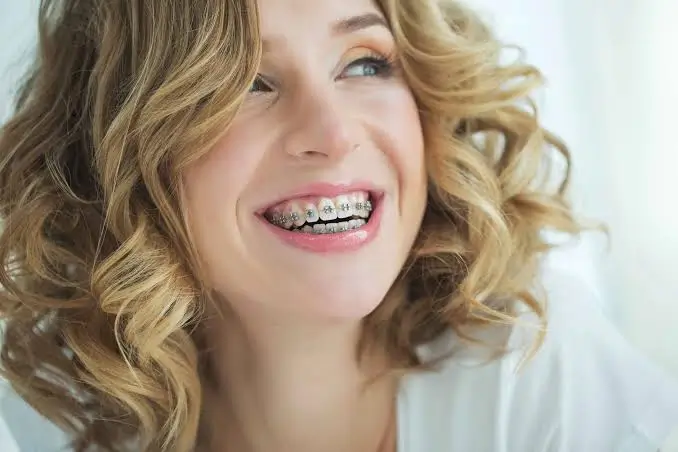
It is not too late to straighten teeth simply because you are an adult. Many adults choose orthodontic treatment to improve their smile, correct bite problems, or make cleaning easier. Modern treatment options give adults more discreet choices than traditional braces alone.
Adult orthodontic options may include:
- Metal braces
- Ceramic braces
- Damon braces
- Invisalign
- Lingual braces
Before starting treatment, the orthodontist will assess the condition of the teeth and gums. Healthy gums and supporting bone are important for safe tooth movement.
General Dentistry and Orthodontics
Orthodontic clinics may also offer general dental services alongside specialist orthodontic care. General dentistry covers a wide range of treatments designed to maintain oral health and repair damaged teeth.
Common dental services can include:
- Dental examinations
- Dental X-rays
- Teeth cleaning
- Tooth fillings
- Tooth restoration
- Teeth whitening
- Gum treatment
- Cosmetic dentistry
- Dental implants
- Family dentistry
These services are different from orthodontics but can work together as part of a complete dental care plan.
Cosmetic Dentistry
Cosmetic dentistry focuses mainly on improving the appearance of the smile. Depending on the patient’s condition and goals, cosmetic dental treatment may involve teeth whitening, reshaping, restorations, or other procedures.
Orthodontics can also have a strong cosmetic benefit because correcting tooth alignment can significantly change the appearance of a smile.
However, cosmetic treatment should always be planned around the patient’s oral health and individual dental condition.
Dental Implants and Restorations
Dental implants are used to replace missing teeth. They are different from orthodontic treatment, but they may be part of a larger dental treatment plan for some patients.
Tooth restoration can also repair damaged or broken teeth. Fillings and other restorative procedures can help strengthen teeth and restore their normal function.
If a patient has missing, damaged, or heavily restored teeth, the orthodontist may need to consider these factors when planning tooth movement.
Why Choose a Professional Orthodontist in Dubai?
Dubai has a large number of dental clinics and orthodontic providers. This gives patients many choices, but it also means they should compare clinics carefully.
When choosing an Orthodontist Dubai, consider the following factors:
Board-Certified or Specialist Orthodontist
Look for a qualified specialist who has appropriate orthodontic training and professional credentials.
Modern Digital Technology
Digital scans, imaging, and treatment planning tools can help orthodontists create more detailed treatment plans.
Quality Materials
Brackets, wires, aligners, and other orthodontic products should come from reliable sources and be appropriate for the treatment.
Range of Treatment Options
A clinic offering multiple options may be able to recommend a treatment that better matches your needs instead of offering only one type.
Experience
Experience in orthodontic care can be valuable, particularly when treating complex alignment and bite problems.
Transparent Costs
Ask for a clear breakdown of treatment fees, follow-up costs, retainers, and any other charges before starting.
Convenient Location
Regular orthodontic appointments may be required. A clinic with convenient locations can make the treatment process easier.
Flexible Payment Options
Some clinics offer installment or payment plans. Ask about the available options before beginning treatment.
Key Features to Look for in an Orthodontic Clinic
A quality orthodontic clinic may offer several features designed to make treatment easier for patients. These can include:
- Specialist orthodontists
- Digital treatment planning
- Modern orthodontic equipment
- Metal and ceramic braces
- Damon braces
- Invisalign and clear aligners
- Lingual braces
- Children’s orthodontics
- Adult orthodontics
- Flexible payment options
- Multilingual staff
- Multiple clinic locations
- Regular follow-up care
The most important factor, however, is whether the treatment is appropriate for your individual dental condition.

Orthodontic Treatment Process in Dubai
The treatment process can vary depending on the appliance and complexity of the case. However, most orthodontic treatments follow a similar pattern.
Step 1: Initial Consultation
The orthodontist examines your teeth, gums, bite, and jaw position. You can also explain your concerns and treatment goals.
Step 2: Dental Records and Scans
The orthodontist may use photographs, X-rays, digital scans, or other diagnostic tools to understand your dental condition.
Step 3: Treatment Planning
Based on the examination, the orthodontist develops a personalized treatment plan.
The plan may include:
- Recommended appliance
- Expected treatment stages
- Approximate treatment duration
- Follow-up schedule
- Estimated cost
- Retention plan
Step 4: Treatment Begins
Braces are fitted or the first clear aligner is provided. The orthodontist explains how to care for your teeth and appliance.
Step 5: Regular Follow-Ups
Patients with fixed braces normally attend adjustment appointments. Clear aligner patients also need check-ups to monitor progress.
Step 6: Treatment Completion
Once the teeth reach the planned positions, the active orthodontic treatment ends.
Step 7: Retention
Retainers are often used after orthodontic treatment to help maintain the new tooth positions.
Orthodontic Treatment Comparison
| Treatment | Appearance | Removable | Suitable For | Main Benefit |
|---|---|---|---|---|
| Metal Braces | Visible | No | Many cases | Durable and cost-effective |
| Ceramic Braces | Tooth-colored | No | Many cases | More discreet |
| Damon Braces | Less noticeable | No | Many cases | Self-ligating design |
| Invisalign | Nearly invisible | Yes | Selected mild to complex cases | Removable and discreet |
| Lingual Braces | Hidden | No | Selected cases | Braces placed behind teeth |
The best option cannot be selected from appearance or price alone. An orthodontist should evaluate your teeth and bite first.
How Much Does an Orthodontist Cost in Dubai?
The cost of orthodontic treatment in Dubai can vary significantly.
Based on the pricing information provided for this guide, a full orthodontic treatment may commonly range from around AED 5,000 to AED 25,000 or more. However, the actual price depends on several factors.
These include:
- Type of orthodontic appliance
- Complexity of the dental case
- Treatment duration
- Number of appointments
- Clinic location
- Specialist experience
- Digital treatment planning
- Retainers
- Additional dental treatment required
The following ranges can be used as a general guide rather than a fixed quotation.
| Treatment Type | Approximate Price Range |
| Metal Braces | AED 5,000 – AED 12,000 |
| Ceramic Braces | AED 7,000 – AED 15,000 |
| Damon Braces | AED 8,000 – AED 14,000 |
| Invisalign / Clear Aligners | AED 10,000 – AED 25,000 |
| Lingual Braces | AED 15,000 – AED 30,000 |
Prices can change between clinics and individual cases. A consultation is the best way to receive a treatment-specific quotation.
What Can Increase the Cost of Orthodontic Treatment?
Not every patient needs the same level of treatment. A simple alignment problem may require less time and fewer resources, while a complex bite or jaw problem may require a longer treatment plan.
Costs may be affected by:
- Severe crowding
- Complex bite problems
- Longer treatment time
- Additional dental procedures
- Premium orthodontic systems
- Customized appliances
- Retainers
- Extra diagnostic work
Patients should ask what is included in the quoted price before starting treatment.
How to Choose the Right Orthodontic Treatment
Choosing braces simply because they are cheaper or because they look better is not always the right approach. Consider these questions:
Do you want a discreet treatment?
Ans: Clear aligners, ceramic braces, and lingual braces may be worth discussing.
Do you have a complex orthodontic problem?
Ans: Your orthodontist may recommend fixed braces or another treatment that provides the required control.
Do you want removable treatment?
Ans: Clear aligners are removable, while traditional braces are fixed.
Is budget your main concern?
Ans: Metal braces are often one of the more affordable orthodontic options.
Can you follow aligner instructions?
Ans: Clear aligners need to be worn for the recommended amount of time. Patients who frequently remove them may not get the expected progress.

The final decision should be made after a professional orthodontic examination.
Orthodontics and Oral Hygiene
Taking care of your teeth becomes especially important during orthodontic treatment. With fixed braces, food can become trapped around brackets and wires. Patients should follow their orthodontist’s cleaning instructions and maintain regular brushing and flossing. Good oral hygiene can help reduce the risk of:
- Plaque buildup
- Gum inflammation
- Tooth decay
- Bad breath
- White marks on teeth
Clear aligners also need proper cleaning. Patients should follow the instructions provided by their orthodontist and aligner manufacturer.
What Should You Ask Your Orthodontist?
Before starting treatment, it is useful to ask questions about the entire process. You can ask:
- Which treatment is best for my teeth?
- How long could treatment take?
- How often will I need appointments?
- What is included in the total cost?
- Will I need retainers?
- Are X-rays or digital scans required?
- What should I avoid during treatment?
- What happens if a bracket breaks?
- How long should I wear clear aligners each day?
- What happens after treatment finishes?
Clear answers can help you understand what to expect.
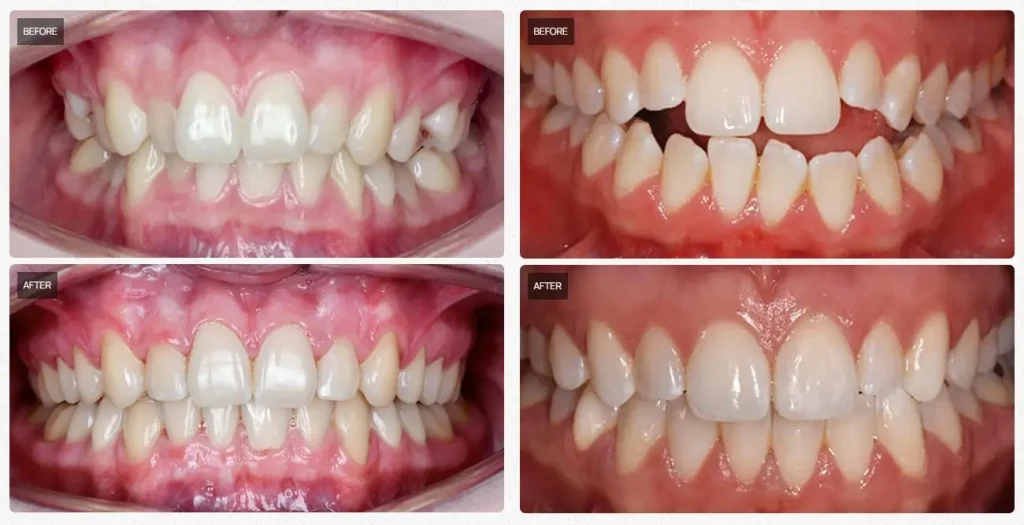
Orthodontic Treatment Before and After
The changes from orthodontic treatment can be noticeable because teeth are gradually moved into better positions. Before treatment, a patient may have:
- Crooked teeth
- Crowding
- Gaps
- Protruding teeth
- Bite problems
- Misaligned jaws
After successful treatment, the teeth may have a more balanced alignment and the bite may function better.
However, results vary from person to person. Before-and-after photographs can provide examples, but they should not be treated as a guarantee of the same result for every patient.
Orthodontics for Different Age Groups
Children
Early assessment can help identify developing orthodontic problems and determine the best time for treatment.
Teenagers
Teenagers are among the most common orthodontic patients. Metal braces, ceramic braces, Damon braces, and clear aligners may all be options depending on the case.
Adults
Adults can also benefit from orthodontic treatment. Invisalign and ceramic braces are especially popular among adults who want a more discreet appearance, while traditional braces remain an effective option.
Age alone does not determine whether orthodontic treatment is possible. The condition of the teeth, gums, bone, and bite must be considered.
Why Digital Orthodontic Technology Matters
Modern orthodontics uses digital tools to improve diagnosis and treatment planning.
Digital scans can create a detailed image of the teeth without relying only on traditional impressions. Computer-based treatment planning can also help the orthodontist plan tooth movement.
For clear aligner treatment, digital planning is particularly important because multiple aligners may be designed as part of a planned sequence.
Technology does not replace the orthodontist. Instead, it gives the specialist additional information to make a treatment plan.
Special Dental Services
Many modern dental clinics provide more than orthodontic treatment. Depending on the clinic, patients may also find services such as:
- Cosmetic dentistry
- General dentistry
- Family dentistry
- Teeth whitening
- Dental cleaning
- Tooth restoration
- Dental fillings
- Dental implants
- Gum treatment
- Dental X-rays
- Cosmetic reshaping
Having different dental services in one clinic can be convenient, especially when a patient needs more than one type of dental care.
What Are the Benefits of Orthodontic Treatment?
Orthodontic treatment can offer both functional and cosmetic benefits. Some potential benefits include:
- Straighter teeth
- Better bite alignment
- Easier cleaning
- Improved chewing
- Better smile appearance
- Improved confidence
- Reduced areas where food can become trapped
- Better long-term tooth positioning
The exact benefits depend on the patient’s condition and treatment plan.
Is Orthodontic Treatment Painful?
Some pressure, tenderness, or mild discomfort can occur after braces are fitted, adjusted, or after a new aligner is started. This is generally related to the gradual movement of teeth.
The level of discomfort varies between patients. If pain is severe, continues for a long time, or is associated with swelling or another unusual symptom, the patient should contact the dental professional.
How Long Does Orthodontic Treatment Take?
There is no single treatment time for every patient. Treatment duration depends on:
- The amount of tooth movement needed
- Severity of crowding
- Bite problems
- Type of appliance
- Patient age and dental condition
- Patient cooperation
- Wearing aligners as instructed
- Attendance at follow-up appointments
Some cases can be completed relatively quickly, while more complex cases can take considerably longer. Your orthodontist can provide a more useful estimate after examining your teeth.

Retainers After Orthodontic Treatment
Finishing braces or clear aligner treatment does not always mean the process is completely over.
Teeth can naturally move after orthodontic treatment. Retainers are commonly used to help maintain the new alignment. Depending on the case, an orthodontist may recommend:
- Removable retainers
- Fixed retainers
- A combination of retention methods
Following the orthodontist’s retention instructions is important for maintaining the treatment result.
How to Find the Best Orthodontist in Dubai
Searching for the best orthodontist in Dubai should involve more than looking at online ratings or the lowest price. Look for:
- Qualified specialist care – Check the orthodontist’s training and professional credentials.
- Treatment choices – A clinic offering several orthodontic systems may provide more flexibility.
- Modern technology – Digital scans and planning can support detailed treatment.
- Clear pricing – Ask for a written breakdown of expected costs.
- Good communication – Your orthodontist should explain the treatment in simple language.
- Aftercare – Ask how follow-up visits and retainers are handled.
- Convenience – Regular appointments are easier when the clinic is accessible.
The best orthodontist for one patient may not be the best choice for another. Your dental condition and personal needs should guide the decision.
FAQs About Orthodontist Dubai
What does an orthodontist do?
Ans: An orthodontist diagnoses and treats problems involving tooth alignment, bite, and jaw position. They use braces, clear aligners, retainers, and other orthodontic appliances.
How much does an orthodontist cost in Dubai?
Ans: Orthodontic treatment can range from approximately AED 5,000 to AED 25,000 or more, depending on the treatment type and complexity. Some premium or highly customized treatments may cost more.
Which is better, braces or Invisalign?
Ans: Neither option is automatically better for everyone. Braces can treat many complex cases, while Invisalign offers a removable and discreet option for suitable patients. An orthodontist can recommend the right choice after an examination.
Are ceramic braces better than metal braces?
Ans: Ceramic braces are less noticeable because their brackets are tooth-colored. Metal braces are generally more visible but are durable and can be highly effective. The right choice depends on your treatment needs and preferences.
Can adults get orthodontic treatment?
Ans: Yes. Adults can receive orthodontic treatment if their teeth, gums, and supporting structures are suitable. Treatment options include metal braces, ceramic braces, Damon braces, Invisalign, and lingual braces.
Is Invisalign removable?
Ans: Yes. Clear aligners are designed to be removed when eating, drinking certain beverages, brushing, and flossing. They should otherwise be worn according to the orthodontist’s instructions.
How long do I need to wear Invisalign each day?
Ans: Many Invisalign treatment plans recommend approximately 22 hours of wear per day. Your orthodontist will provide instructions based on your individual treatment.
Can children visit an orthodontist?
Ans: Yes. Children can benefit from early orthodontic assessment. An orthodontist can monitor dental development and identify problems that may require early treatment.
Do braces improve oral health?
Ans: Correcting badly misaligned or crowded teeth can make some areas easier to clean. This may support better oral hygiene, although daily brushing, flossing, and regular dental check-ups remain essential.
Do I need retainers after braces?
Ans: Retainers are commonly recommended after active orthodontic treatment to help maintain the new tooth positions. Your orthodontist will explain how and when to use them.
Conclusion
Choosing an Orthodontist in Dubai is an important decision because orthodontic treatment can affect your smile, bite, comfort, and oral health for many years. The good news is that modern orthodontics provides more choices than ever before.




About The Author