UAE Travel Safety Checklist 2027: Complete Guide To Documents, Health And Safety Tips
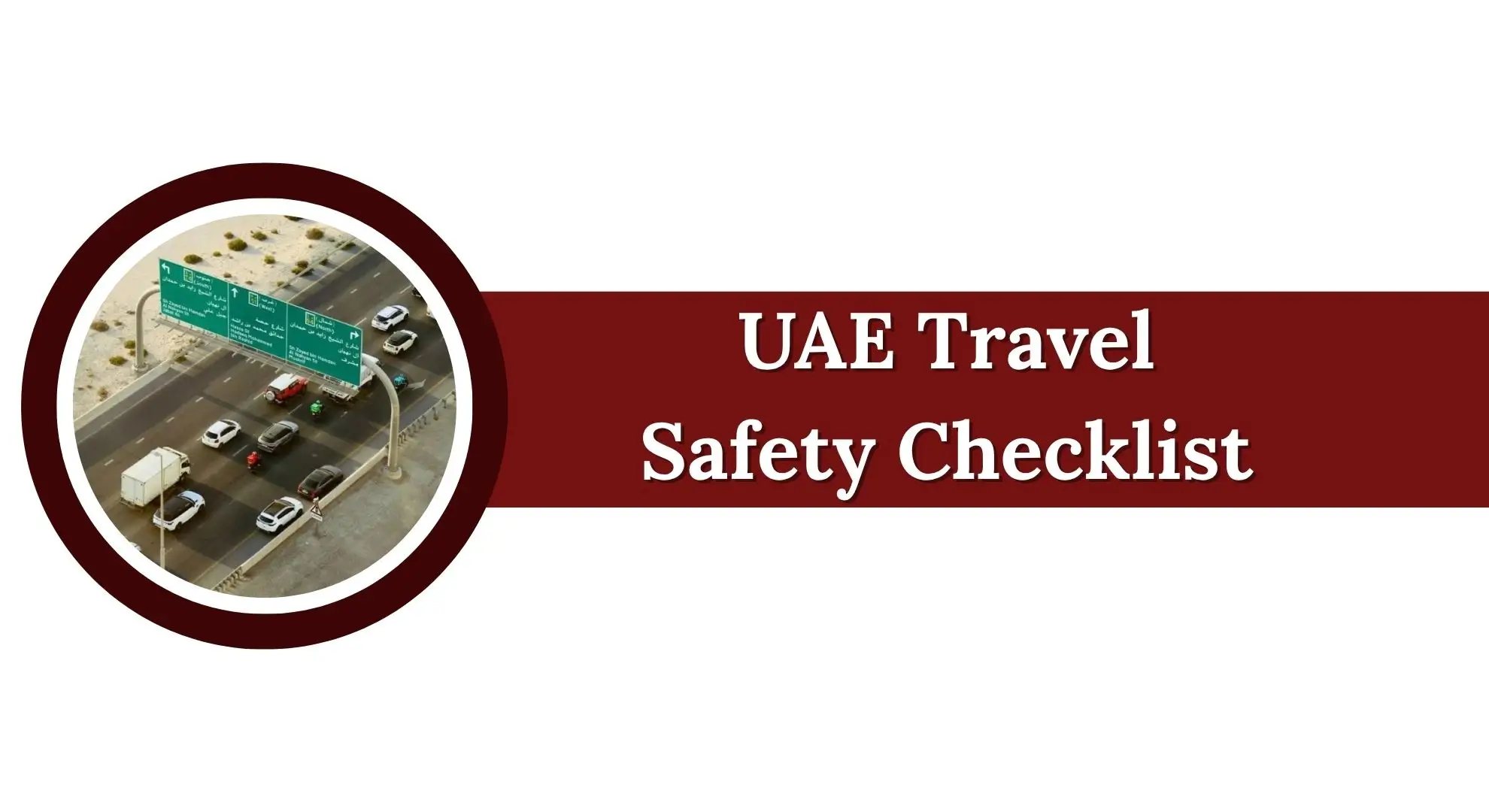
UAE Travel Safety Checklist 2027. Planning a trip to the United Arab Emirates requires more than booking a flight and hotel. A good UAE Travel Safety Checklist helps you prepare for entry requirements, travel documents, health needs, local laws, emergency situations, weather conditions, and unexpected travel disruptions.
The current security situation in the Middle East also makes careful planning more important. As of August 2027, official Australian travel advice recommends that travellers reconsider their need to travel to the UAE because of the unpredictable security situation in the UAE and the wider region. Military strikes and reprisal attacks have occurred in parts of the region, and UAE airspace can open or close at short notice.
This guide provides a practical UAE travel safety checklist that you can use before departure, at the airport, after arrival and during your stay.
Important: Security conditions can change quickly. Always check your airline, your country’s latest UAE travel advisory, UAE authorities, and your embassy or consulate before travelling.
UAE Travel Safety Checklist at a Glance
Before travelling to the UAE, make sure you have checked these important items:
- Check the latest security and travel advisory
- Confirm whether you should travel or transit through the region
- Check your passport validity
- Confirm visa or entry requirements for your nationality
- Buy suitable travel insurance
- Confirm your flight and accommodation
- Save digital copies of important documents
- Check medication and health requirements
- Learn important UAE laws and customs
- Save emergency numbers
- Keep emergency contacts available offline
- Monitor flight and airport updates
- Prepare essential medicines, water and basic supplies
- Know what to do if an emergency warning is issued
Read Also: Dubai Postal Code List: Complete Guide To ZIP Code And P.O. Box Details
Check the Current UAE Security Situation
The first step in your UAE Travel Safety Checklist should be checking the latest security situation. The wider Middle East remains unpredictable. Official travel advice currently warns of possible escalation, military strikes, reprisal attacks, movement restrictions, airspace closures and flight cancellations.
UAE airspace can change status with limited notice, which can affect flights through Dubai International Airport and Abu Dhabi International Airport. Before leaving home:
- Check your government’s latest UAE travel advice.
- Check your airline’s flight status.
- Check airport announcements.
- Monitor official UAE warnings.
- Check whether your planned route passes through another Middle Eastern country.
- Have a backup plan if your flight is cancelled.
- Avoid unnecessary travel to areas affected by security incidents.
Do not assume that a flight will operate simply because you have a confirmed ticket. During periods of regional instability, schedules and airspace conditions can change quickly.
What Does “Reconsider Your Need to Travel” Mean?
Travel advisory levels are important because they provide an indication of the risk level. A current Australian government advisory places the UAE at “Reconsider your need to travel.” It also explains that this advice applies to transit through the country.
If you decide to travel despite such advice, keep your visit as simple as possible, avoid unnecessary activities, and continue checking for updates.
Monitor Flight and Airspace Updates
Flight disruption is one of the biggest practical risks during regional conflict.
Airspace can close suddenly. Flights can be cancelled, delayed, diverted or rescheduled. Border crossings can also be affected. Before travelling:
- Check your airline website or app.
- Check your departure airport.
- Confirm your connecting airport.
- Check your return flight.
- Keep your airline’s customer service number.
- Save your booking reference offline.
- Understand the airline’s cancellation and rebooking policy.
- Keep enough money available for unexpected transport or accommodation costs.
If your flight is cancelled, do not immediately travel to the airport without checking the latest airline instructions.
Keep a Flexible Travel Plan
If your trip is essential, consider keeping some flexibility in your schedule. Avoid making important onward connections with very short transfer times.
For example, if you are connecting through Dubai, allow enough time for possible delays. Remember that a travel disruption can affect more than your flight. It can also affect:
- Hotel bookings
- Rental cars
- Tours
- Airport transfers
- Connecting flights
- Business meetings
- Return travel
Check UAE Passport and Visa Requirements
Your passport and entry documents are among the most important items on your checklist.
Before travelling, verify the requirements that apply specifically to your nationality and purpose of travel. Visa rules can differ between nationalities and may change. Check:
- Passport validity
- Visa requirement
- Visa validity
- Entry conditions
- Return or onward travel requirements
- Transit requirements
- Any special health or entry rules
Do not rely on information written for another nationality.
Create a Travel Document Folder
Keep these documents together:

- Passport
- Visa or travel authorization, if required
- Flight booking
- Hotel booking
- Travel insurance
- Emergency contacts
- Embassy details
- Driving licence, if required
- Medical documents
- Prescription information
Keep both physical and digital copies.
Keep Digital Copies of Important Documents
A physical passport can be lost or damaged. Your phone can also be lost or have no internet connection. For this reason, create secure digital copies before travelling. Save copies of:
- Passport identification page
- Visa
- Travel insurance
- Flight tickets
- Hotel confirmation
- Driving licence
- Medical prescriptions
- Vaccination records, if required
- Emergency contacts
- Embassy information
Store the copies securely in cloud storage and on your phone. You can also keep an encrypted USB drive as an additional backup.
Never Depend on Only One Copy
A simple system is:
- Original documents + phone copy + secure cloud backup
This gives you several ways to access important information if something goes wrong.
Understand UAE Local Laws
One of the most important parts of a UAE Travel Safety Checklist is learning the local laws. Rules that may be acceptable in your home country can have legal consequences in the UAE.
Official travel advice highlights restrictions involving photography, online content, public behaviour, drugs, alcohol, dress and other conduct.
Photography and Videos
Be careful when taking photographs or videos. Avoid photographing:
- Military sites
- Government buildings
- Security facilities
- Sensitive infrastructure
- Airports or restricted areas
- People without permission
Do not post or share photographs of other people without their consent. Also be careful with social media posts. Publishing or sharing rumours and unverified information can create legal problems.
Respect Dress and Behaviour Rules
The UAE has modern cities and large international tourist communities, but it also has conservative cultural values.
Dress respectfully, particularly in public places and religious locations. Good practice includes:
- Dress modestly in public areas.
- Follow signs at religious sites.
- Avoid offensive gestures.
- Avoid insulting language.
- Respect local customs.
- Avoid disruptive public behaviour.
When visiting different emirates, remember that local expectations can vary.
Be Careful With Alcohol and Drugs
The UAE has strict laws relating to illegal drugs and drug-related offences. Penalties can be extremely serious. Never carry illegal drugs into the UAE.
Be particularly careful with prescription medicines because some medicines that are ordinary in another country may be controlled in the UAE.
Alcohol laws also require attention. Public drunkenness can lead to legal problems, and rules differ between emirates.
Check Your Medicines Before You Travel
Medication should be an important part of your UAE travel preparation. If you take prescription medicines, check whether they are controlled or restricted before travelling.
The UAE Ministry of Health and Prevention provides a service for travellers who want prior approval to bring narcotic and controlled medicines for personal use. The official guidance also states that travellers without prior approval must declare controlled medicines on arrival and provide the prescription and medical report. Before departure:
- Keep medicines in original packaging.
- Carry your prescription.
- Carry a medical report when appropriate.
- Keep a list of generic medicine names.
- Check UAE requirements before travelling.
- Carry enough medicine for the trip.
- Keep important medicine in your carry-on bag.
Do not assume that a medicine is permitted simply because you purchased it legally in your home country.
Prepare for Extreme UAE Weather
The UAE can experience very high temperatures, particularly during summer. Extreme heat can increase the risk of dehydration, heat exhaustion and heatstroke. During very hot weather:
- Drink water regularly.
- Avoid unnecessary outdoor activity during peak heat.
- Use sunscreen.
- Wear light, suitable clothing.
- Take breaks in air-conditioned areas.
- Never leave children or vulnerable people inside parked vehicles.
- Follow local weather warnings.
Sand and dust storms can also reduce visibility and affect outdoor activities and driving.
Prepare for Storms and Flash Flooding
The UAE is generally known for a dry climate, but intense storms can occur. Heavy rain can cause temporary flooding and road disruption.
If severe weather is expected:
- Monitor official weather information.
- Follow local authority instructions.
- Avoid flooded roads.
- Do not drive through unknown floodwater.
- Stay indoors when authorities recommend it.
- Check your flight and transport arrangements.
Weather conditions can affect roads, airport operations and outdoor activities.
Know What to Do During a Security Alert
If authorities issue a warning about an imminent attack, take it seriously.
Official travel advice recommends moving indoors and seeking shelter away from windows and external walls. In a serious attack, a hardened shelter or an inner room without windows may offer greater protection. If an alert occurs:
- Stay calm.
- Follow local emergency instructions.
- Move indoors.
- Stay away from windows.
- Stay away from external walls where possible.
- Do not go outside to watch or record an incident.
- Avoid affected areas.
- Monitor official information.
- Contact family when it is safe to do so.
Do not rely on social media rumours during an emergency.
Avoid High-Risk Locations
During periods of regional tension, remain aware of your surroundings. Official advice recommends avoiding locations that may be at higher risk, including military sites, government facilities and energy infrastructure. Such locations may not always be clearly signposted.
You should also maintain awareness around crowded public locations if authorities issue specific warnings. Do not approach an incident simply because you want to take photographs or videos.
Be Alert to Terrorism and Civil Unrest
Terrorist attacks can occur without warning. This does not mean that travellers should panic. It means you should maintain sensible awareness. Avoid unnecessary exposure to:
- Large demonstrations
- Political protests
- Unusual gatherings
- Security incidents
- Areas under official warnings
- Locations affected by unrest
If you see a demonstration, do not join or attempt to move through it simply to reach a destination. Take another route when possible.
Save UAE Emergency Numbers
Save emergency numbers before your journey. The official UAE government lists:
| Service | Number |
|---|---|
| Police | 999 |
| Ambulance | 998 |
| Fire / Civil Defence | 997 |
| Coastguard | 996 |
| Search and Rescue | 995 |
You should also save your country’s embassy or consulate contact details. Do not wait until an emergency occurs to search for these numbers.
Keep an Emergency Grab Bag Ready
If you are staying in the UAE during an uncertain period, keep a small emergency bag in an easy-to-reach location. It can include:
- Passport
- Emirates ID, if applicable
- Phone
- Power bank
- Charger
- Essential medicines
- Prescription copies
- Water
- Basic snacks
- Small amount of cash
- Important contact list
- Copies of insurance documents
- Flashlight
- Basic personal items
The goal is not to pack your entire home. The goal is to have essential items ready if you need to leave quickly.
Keep Important Financial Documents Accessible
Travellers and UAE residents should also prepare financial information. Keep secure copies of:
- Bank account details
- Credit card information
- Insurance policy
- Employment records
- Salary records
- Loan information
- Property documents
- Tenancy agreement
- Important payment records
Do not store sensitive financial information in an unsecured public folder. If you are a UAE resident, make sure you can access your online banking and important government accounts.
UAE Expat Document Checklist
If you are an expat living in the UAE, your preparation should go beyond normal tourist documents.
Identity Documents
Keep copies of:

- Passport
- Emirates ID
- Residence visa
- Driving licence
- Other valid identification documents
Keep original passports in a secure, easily accessible location rather than leaving them in an office or vehicle.
Employment Documents
Keep copies of:
- Employment contract
- Work permit
- Salary certificates
- Recent payslips
- Employment insurance information
- Important HR correspondence
Digital access can be especially useful if you suddenly need to leave the UAE.
Property Documents
If you own or rent property, keep:
- Title deed
- Tenancy contract
- Ejari documentation where applicable
- Mortgage documents
- Utility account details
- Property insurance
Family Documents
Families should also keep:
- Marriage certificate
- Children’s birth certificates
- Children’s passports
- Residence documents
- School records
- Important educational certificates
Prepare Health and Medical Records
A safe travel plan should include health preparation. Keep a medical information file containing:
- Current medicines
- Generic medicine names
- Dosages
- Allergies
- Important medical history
- Doctor’s contact details
- Insurance information
- Vaccination records
If you have a medical condition that requires regular treatment, speak with your healthcare professional before travelling. Do not make major medication changes without medical advice.
Get Suitable Travel Insurance
Travel insurance is an important part of your UAE Travel Safety Checklist. Look for a policy that clearly explains coverage for:
- Emergency medical treatment
- Hospital care
- Medical evacuation
- Repatriation
- Trip cancellation
- Trip interruption
- Flight delays
- Lost baggage
- Personal liability
Most importantly, read the exclusions. During armed conflict or regional instability, some insurance policies may exclude claims connected to war, terrorism or government travel warnings. Never assume that every travel disruption will be covered.
Check Your Insurance Before You Leave
Before buying or relying on insurance, ask:
- Does it cover the UAE?
- Does it cover transit through the UAE?
- Does it cover medical emergencies?
- Does it cover evacuation?
- Are pre-existing conditions covered?
- Are flight cancellations covered?
- Are security-related disruptions covered?
- What happens if the government advises against travel?
- Is there a war or terrorism exclusion?
Save your policy number and emergency claims contact offline.
Protect Yourself From Food and Water Problems
Foodborne and waterborne illnesses can sometimes affect travellers. Simple precautions include:
- Wash your hands regularly.
- Drink safe water.
- Be careful with food that has been left unrefrigerated.
- Eat from clean and reputable places.
- Carry oral rehydration salts if appropriate.
- Seek medical advice if you develop serious or persistent symptoms.
If you experience severe dehydration, high fever, persistent diarrhoea or other concerning symptoms, seek medical care.
Take Care During Beach and Swimming Activities
The UAE has many beaches and water activities, but travellers should not ignore basic water safety. Before swimming:
- Check local beach warnings.
- Follow lifeguard instructions.
- Avoid swimming during dangerous conditions.
- Do not enter water that authorities have declared unsafe.
- Take extra care with children.
- Use suitable flotation equipment when needed.
If there is a warning about contaminated seawater or unusual algae, avoid swimming until authorities confirm it is safe.
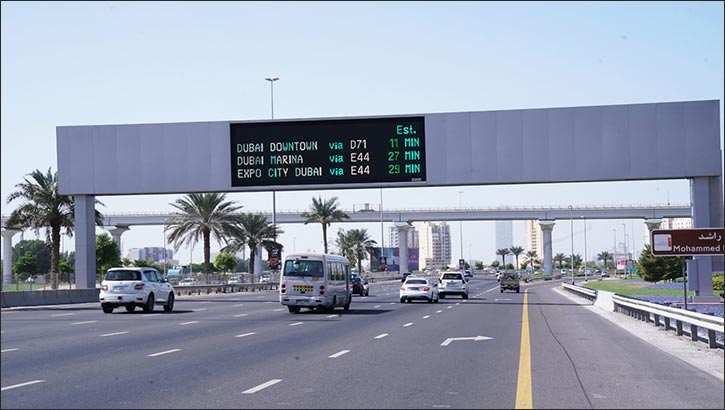
Prepare for Driving in the UAE
If you plan to rent or drive a car, check the driving requirements before travelling. Carry:
- Valid driving licence
- Required international driving permit, if applicable
- Rental documents
- Insurance details
- Emergency contacts
Follow speed limits and road signs. Do not use your phone while driving, and never drive under the influence of alcohol or drugs.
If you plan to cross an international land border, check the border, vehicle and insurance requirements before leaving.
Be Careful With Social Media
Social media can create unexpected problems during travel. Avoid posting:

- Security incidents
- Military movements
- Sensitive infrastructure
- Unverified claims
- Private photographs of people without permission
- Content that could be interpreted as insulting or threatening
During a crisis, verify information before sharing it. A message that appears harmless may be incorrect or may create unnecessary fear.
Prepare Your Phone Before Travel
Your smartphone can be one of your most useful safety tools. Before departure:
- Charge your phone.
- Carry a power bank.
- Install your airline app.
- Save your hotel address offline.
- Save emergency numbers.
- Save your embassy number.
- Download maps for offline use.
- Enable device security.
- Set up cloud backups.
- Make sure roaming or a local SIM/eSIM is available.
Also save important information in a format that can be accessed without internet.
UAE Travel Safety Checklist for Families
Travelling with children requires additional planning. Before departure:
- Check each child’s passport.
- Check visa requirements.
- Carry children’s medication.
- Pack snacks and water.
- Carry emergency contacts.
- Keep copies of birth certificates when appropriate.
- Save vaccination records.
- Explain basic safety rules to children.
Teach children what to do if they become separated from you. Older family members may also need additional medicines, mobility support and emergency planning.
UAE Travel Checklist for Business Travellers
Business travellers often have tight schedules, which can make unexpected disruption more difficult. Before travelling:
- Confirm meetings.
- Keep flexible flight arrangements.
- Save your company’s emergency contact.
- Carry essential business documents.
- Keep digital copies of contracts.
- Confirm hotel details.
- Check transport arrangements.
- Monitor regional developments.
If the security situation changes, safety should take priority over meetings and appointments.
What to Keep in Your Carry-On Bag
Your carry-on should contain the items you cannot easily replace. A practical carry-on list includes:
- Passport
- Visa documents
- Boarding pass
- Travel insurance
- Phone
- Charger
- Power bank
- Prescription medicines
- Prescription copy
- Wallet
- Emergency contacts
- Essential documents
- Basic hygiene items
- Spare glasses if required
Do not place all essential documents and medicines inside checked baggage.
What to Do If Your Flight Is Cancelled
Flight cancellations can happen with little notice during regional disruption. If your flight is cancelled:
- Check the airline’s official update.
- Contact the airline.
- Ask about rebooking.
- Check whether your hotel can change your booking.
- Contact your travel insurer if appropriate.
- Avoid travelling to the airport unless instructed.
- Keep your family informed.
- Monitor future flight status.
Do not rely on old screenshots or unofficial social media posts.
What to Do If You Lose Your Passport
If your passport is lost:
- Report the loss to the relevant local authorities when required.
- Contact your embassy or consulate.
- Follow their instructions for a replacement or emergency travel document.
- Keep your Emirates ID or other identification available if you have it.
- Do not rely only on a photograph of your passport.
This is why digital copies are so valuable.
Final UAE Travel Safety Checklist
Before leaving for the UAE, complete this final review:
Travel and Security
- Check the latest UAE travel advisory
- Check the wider Middle East situation
- Confirm flight status
- Check connecting flights
- Check border information if travelling overland
- Know the nearest safe indoor location
- Save official emergency information
Documents
- Passport
- Visa
- Flight booking
- Hotel booking
- Travel insurance
- Digital document backups
- Embassy contacts
Health
- Required medicines
- Prescription documents
- Medical insurance
- Basic first-aid supplies
- Health records
- Appropriate sunscreen
- Water and hydration plan
Local Laws
- Learn photography rules
- Understand alcohol laws
- Avoid illegal drugs
- Dress respectfully
- Avoid offensive behaviour
- Do not share unverified information
- Respect privacy
Emergency Preparation
- Police: 999
- Ambulance: 998
- Fire: 997
- Coastguard: 996
- Embassy contact saved
- Phone charged
- Power bank ready
- Emergency documents accessible
Benefits of Following a UAE Travel Safety Checklist
Using a UAE Travel Safety Checklist before and during your trip can make travel more organized and reduce avoidable problems. It gives you a simple way to check important areas before you leave instead of trying to remember everything at the last minute.
1. Helps You Stay Prepared
A checklist reminds you to prepare passports, visas, insurance, medicines, emergency contacts and other important items before departure.
2. Reduces Travel Stress
When your documents, bookings and emergency information are ready, you can travel with more confidence and spend less time dealing with last-minute problems.
3. Helps You React to Emergencies
Knowing emergency numbers, keeping copies of documents and having essential items ready can help you respond more quickly if your plans suddenly change.
4. Protects Your Important Documents
Digital backups of passports, visas, insurance and other records can be useful if physical documents are lost, damaged or difficult to access.

5. Helps You Follow UAE Rules
Learning about local laws, photography restrictions, dress expectations, alcohol rules and medication requirements can help you avoid unnecessary legal problems.
6. Makes Flight Disruptions Easier to Manage
Keeping airline details, booking references and insurance information accessible can make it easier to respond to delays, cancellations or route changes.
7. Supports Better Health Preparation
A checklist encourages travellers to review medicines, insurance, weather risks, hydration needs and other health requirements before leaving.
UAE Travel Safety Tips
Along with the checklist above, these simple travel tips can make your UAE trip safer and more organized.
- Check official information first: Use your airline, UAE authorities, embassy and government travel advisory for important updates.
- Keep documents backed up: Store secure digital copies of your passport, visa, insurance and important travel records.
- Keep essential items with you: Carry your passport, medicines, phone, charger and important documents in your carry-on bag.
- Save emergency numbers offline: Do not depend on an internet connection during an emergency.
- Keep your phone charged: Carry a power bank, especially when travelling long distances or during periods of disruption.
- Avoid sensitive locations: Stay away from military sites, government facilities, security areas and other locations under official warnings.
- Do not spread unverified information: During a security event, follow official updates instead of forwarding rumours on social media.
- Respect local customs: Dress appropriately, respect privacy and follow local rules in public places.
- Check medicines early: Confirm whether prescription or controlled medicines require approval before travelling.
- Prepare for heat: Drink enough water, use sun protection and avoid unnecessary outdoor activity during extreme heat.
- Keep some flexibility: If regional conditions are uncertain, avoid making travel plans that depend on very tight connections.
- Tell a trusted person about your plans: Share your itinerary and important emergency contacts with someone you trust.
- Review your insurance exclusions: Pay special attention to conflict, terrorism, evacuation, cancellation and government travel-warning exclusions.
- Have a backup plan: Know what you will do if your flight is cancelled, your accommodation changes or your planned route becomes unavailable.
FAQs About UAE Travel Safety
Is the UAE safe for tourists?
Ans: The UAE has established emergency and security services, but the wider regional security situation is currently unpredictable. As of August 2026, official Australian travel advice recommends reconsidering the need to travel to the UAE. Travellers should check the latest advisory and local information before departure.
Can UAE flights be cancelled because of regional conflict?
Ans: Yes. Regional conflict can result in airspace restrictions, flight cancellations and other disruptions. UAE airspace can open or close at short notice, so travellers should check directly with their airline and airport.
Do I need travel insurance for the UAE?
Ans: Travel insurance is strongly recommended. Choose coverage that includes medical emergencies, evacuation, cancellation and other risks relevant to your trip. Always read exclusions because conflict-related situations may be treated differently under insurance policies.
Can I bring prescription medicine into the UAE?
Ans: Some medicines are controlled or restricted. Travellers should check the applicable UAE rules before departure. MOHAP provides a service for prior approval for narcotic and controlled medicines for personal use, and its guidance says travellers without prior approval must declare such medicines on arrival with the prescription and medical report.
What should I do if there is an attack warning?
Ans: Follow official instructions immediately. If warned of an imminent attack, move indoors and away from windows and external walls. If available, use a suitable hardened shelter or an inner room without windows.
Should I photograph military or government buildings in the UAE?
Ans: No. Travellers should avoid photographing sensitive locations such as military sites, government facilities and other restricted infrastructure. Photography laws and privacy rules should be taken seriously.
Conclusion
A well-prepared traveller is better able to deal with unexpected problems. The UAE Travel Safety Checklist should cover much more than your passport and hotel reservation. You should also check the current security situation, flight status, visa rules, travel insurance, medicines, local laws, emergency contacts and health needs.





About The Author