Family Friendly Car Rental In UAE 2027: Complete Guide To Comfort, Safety, Prices List And Space

Family Friendly Car Rental In UAE 2027. Travelling around the UAE with your family is one of the best ways to experience everything this country has to offer, from the busy streets of Dubai to the quiet mountain roads of Fujairah and the golden dunes near Al Ain. But none of that comfort happens by accident. It starts with one simple decision that most families rush through without much thought choosing the right rental car.
A family trip is not the same as a solo trip. You are not just thinking about yourself anymore. You are thinking about legroom for your kids, a boot big enough for the stroller, air conditioning strong enough to beat the UAE heat, and a car that keeps everyone safe on fast-moving highways. Get this one decision right, and the rest of your trip feels easy. Get it wrong, and you will notice the mistake on the very first drive from the airport.
This guide walks you through everything you need to know about renting a family-friendly car in the UAE from the safety features that actually matter, to the best car types for different family sizes, the documents you need, the rules you must follow and how to keep your costs under control. Let’s get into it.
Why the Right Family Car Makes Such a Big Difference
Picture this. You land in Dubai after a long flight with two tired kids, four suitcases, and a stroller. You get into a small rental car that looked fine in the photos but feels tiny in real life. The boot won’t close properly. The kids are squeezed in the back seat with no room to stretch. The air conditioning barely reaches the rear seats, and it’s 42 degrees outside.
That is exactly the kind of situation you want to avoid, and it is completely avoidable if you plan ahead.
A properly chosen family car changes the entire tone of your trip. Long drives feel shorter. Kids stay calmer because they are comfortable. Parents feel less stressed because they are not constantly worried about luggage falling out or a child overheating in the back seat. The car becomes something that supports your holiday instead of something that fights against it.
Think about how many hours your family will actually spend inside the car during your stay. Between airport transfers, daily errands, school runs if you are relocating, weekend outings, and the odd cross-emirate day trip, a rental car is not just a one-time convenience. It becomes part of your daily routine for as long as you are here. That is exactly why it deserves more thought than simply picking whatever option shows the lowest price on a booking page.
Read Also: GGICO Metro Station Dubai: The Complete Travel And Timing Guide
What Actually Makes a Car “Family Friendly” in the UAE
Not every car that has five or seven seats is automatically a good family car. There are specific things that matter far more once you’re actually on the road with children in the UAE’s climate and traffic conditions.
Space That Doesn’t Force Everyone to Sit on Top of Each Other
Space is the number one factor. This isn’t just about fitting bodies into seats — it’s about giving each passenger enough room to sit comfortably for an hour or more without their knees touching the seat in front of them. Families travelling with older children especially need generous legroom, because a cramped back seat becomes unbearable on longer drives to places like Abu Dhabi or Ras Al Khaimah.
A Boot That Can Actually Hold Your Life
Between strollers, suitcases, beach bags, and the random extra items every family somehow ends up carrying, boot space matters more than most people expect before they travel. A shallow boot that can’t close properly, or one that blocks your rear-view mirror once packed, is a daily annoyance. Look for a car where the boot can comfortably swallow a folded stroller alongside your regular luggage.
Air Conditioning Strong Enough for the UAE Heat
This is not optional in the UAE. During summer months, temperatures regularly climb past 40 degrees, and a car with weak rear air conditioning turns into an uncomfortable oven for the passengers sitting in the back — usually the kids. Always check that the vehicle you’re renting has strong rear AC vents, not just a system that cools the front seats well.
A small detail that makes a bigger difference than people expect: fabric seats generally handle the UAE sun better than leather. Leather seats can get extremely hot after a car has been parked outside for even twenty minutes, while fabric doesn’t heat up nearly as fast. If you’re renting during peak summer, this is worth asking about.

Proper Child Seat Anchors
If you’re travelling with a young child, ISOFIX anchor points are essential. These allow a child seat to click into place securely and correctly, rather than being loosely strapped in with a regular seatbelt. UAE law requires children aged four and under to be properly secured in an appropriate car seat, so this isn’t just a nice-to-have — it’s a legal requirement.
Visibility and Safety Tech for Busy Roads
UAE highways move fast, and city areas like Downtown Dubai or Dubai Marina can get busy with tight parking and heavy pedestrian traffic. Cars equipped with multiple airbags, parking sensors, and a rear or 360-degree camera make a real difference here — both for safety on the highway and for stress-free parking at the mall.
It also helps to think about how many hours you might spend on fast, multi-lane roads such as Sheikh Zayed Road, where traffic frequently moves at 120 kilometres per hour. At that speed, features like lane departure warnings and pre-collision alerts are not just marketing extras they genuinely give parents an added layer of reaction time in situations where every second counts. If you are choosing between two similar cars and one has these features while the other doesn’t, it is usually worth paying a little extra for the added protection.
Choosing the Right Car Based on Family Size
There is no single “best” family car it depends entirely on how many people are travelling, how much luggage you’re bringing, and where you plan to go. Here’s a breakdown by family size and travel style.
Small Families (2 to 4 People)
If you’re a couple with one or two children, you don’t necessarily need a large SUV. A well-chosen sedan or compact SUV often gives you everything you need at a much lower daily cost.
- Compact sedans like a Nissan Sunny or Suzuki Ciaz are fuel-efficient, easy to park, and surprisingly practical for small families. The boot space on these models is often deeper than it looks, comfortably fitting a folded stroller and a few grocery bags.
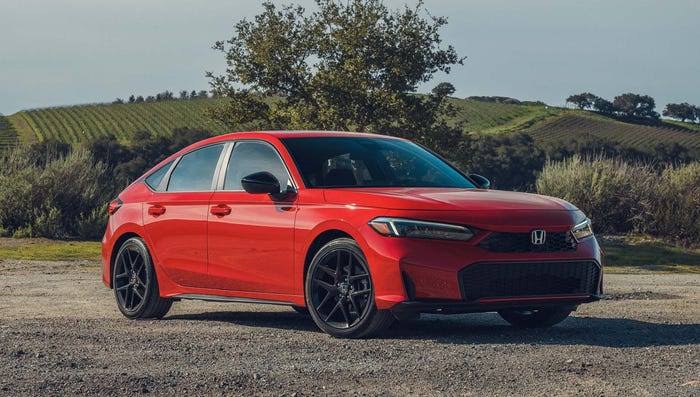
- Mid-size sedans such as the Toyota Corolla add a smoother ride and extra safety technology, including lane departure warnings and pre-collision alerts useful extras when you’re driving at highway speeds with children in the car.
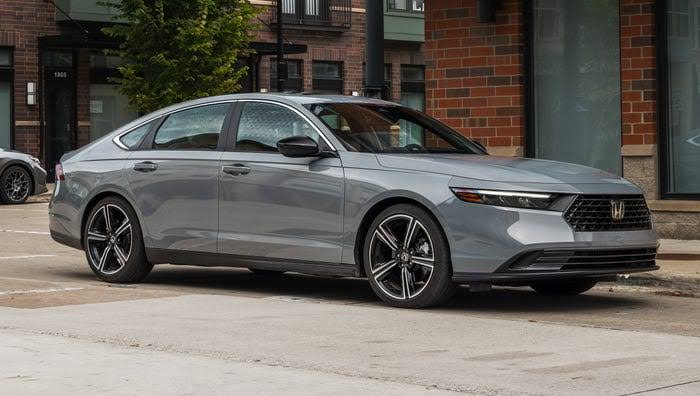
- Compact SUVs like the JAC JS4 or a similar small crossover give you a higher driving position, better visibility, and slightly more boot room, without the fuel costs of a larger vehicle.
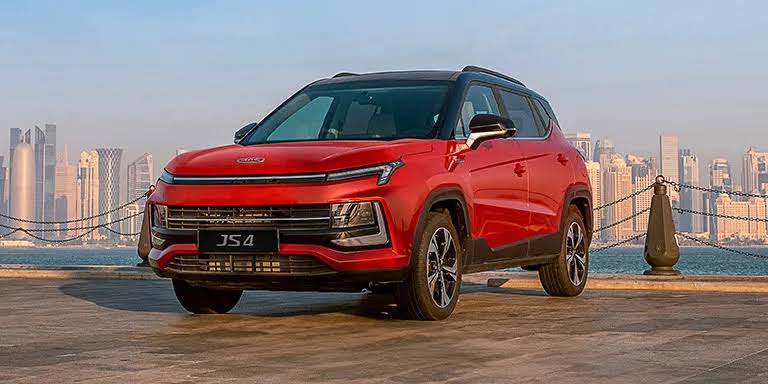
These options are ideal for city-based stays, school runs, or families who plan to mostly stay within Dubai or Abu Dhabi rather than taking long road trips.
Medium to Large Families (5 to 7 People)
Once you’re travelling with three or more children, or if you regularly have extended family joining you, a 7-seater SUV becomes far more practical than trying to squeeze everyone into a sedan.
- The Toyota Rush is a popular choice thanks to its flexible 2-3-2 seating layout. You can fold down the rear row when you need extra luggage space, or use all seven seats when the whole family is travelling together. Its higher ground clearance also helps on the varied road surfaces you’ll find outside the main cities.
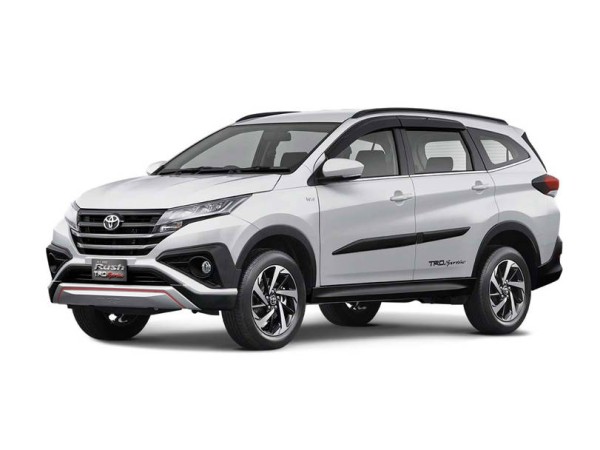
- The Nissan Patrol is one of the most well-known SUVs in the region for good reason. It offers a large, comfortable cabin that seats seven without anyone feeling squeezed, plenty of room for luggage, and a powerful engine that stays smooth even when fully loaded with people and bags.
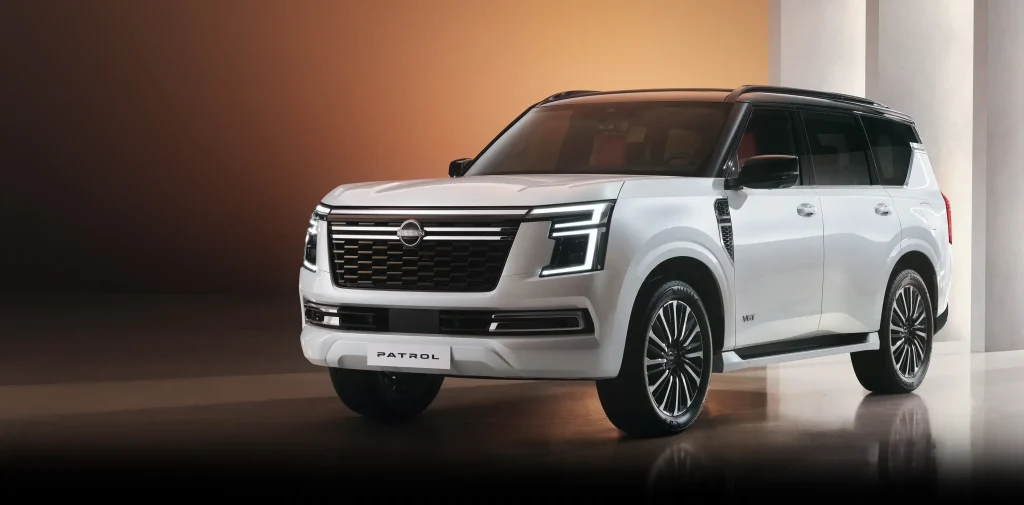
- Other strong options in this category include the Toyota Land Cruiser, Chevrolet Tahoe, GMC Yukon, Hyundai Palisade, Ford Explorer, Mitsubishi Pajero, and Mitsubishi Outlander all of which balance passenger space with real cargo capacity.

When you’re comparing these larger SUVs, don’t just look at the total number of seats. Pay close attention to how usable the third row actually is. Some 7-seater vehicles technically fit seven people but leave the back row cramped and uncomfortable for anyone taller than a young child. If your family regularly needs all seven seats in use at the same time, it’s worth checking third-row legroom specifically rather than assuming every 7-seater offers the same experience.
Families Who Want Extra Comfort: MPVs and Minivans
For families who prioritise interior comfort above everything else — especially those with very young children or elderly relatives travelling with them — a minivan or multi-purpose vehicle (MPV) is worth considering.
- The Kia Carnival and Mercedes-Benz V-Class offer three rows of genuinely comfortable seating, sliding doors that make loading kids and luggage easier, and generous storage throughout the cabin.
- Many of these vehicles also include in-car entertainment options, which can be a lifesaver on longer drives when younger children need a distraction.
Sliding doors are a detail that sounds minor until you actually use one with a toddler in your arms and bags in both hands. Unlike a standard SUV door that swings outward and needs space to open, a sliding door opens smoothly along the side of the vehicle, which makes loading and unloading far easier in tight parking spots, hotel drop-off areas, or narrow driveways. For families managing multiple young children at once, this small design choice genuinely reduces daily friction.
Families Who Want a Touch of Luxury
If you’re travelling for a special occasion, a milestone holiday, or simply want your trip to feel a little more elevated, luxury SUVs and minivans deliver comfort on a different level.
- Luxury SUVs such as the Range Rover or Cadillac Escalade combine spacious interiors with premium materials and a noticeably smoother, quieter ride.
- Luxury minivans offer the same idea in a different shape — maximum comfort, advanced features, and enough room that nobody feels cramped even on a full-day outing.
The good news is that luxury family rentals are more affordable than most people assume, particularly when booked weekly or monthly rather than daily, since the per-day rate typically drops the longer you rent.

Comparing the Main Family Car Categories at a Glance
| Category | Best For | Typical Seating | Strengths |
|---|---|---|---|
| Compact Sedan | Couples or small families staying mostly in the city | 4–5 | Fuel-efficient, easy to park, lower daily cost |
| Compact SUV | Small to medium families wanting extra height and visibility | 5 | Good balance of space and running costs |
| Full-Size SUV | Families of 5–7 or those planning road trips | 7 | Maximum space, strong AC, comfortable on highways |
| Minivan / MPV | Families with young children or elderly relatives | 6–8 | Sliding doors, three rows, easy loading |
| Luxury SUV / Minivan | Special occasions or those wanting premium comfort | 5–8 | Premium interior, smoother and quieter ride |
Documents and Rules You Need to Know Before You Drive
Renting a car in the UAE is a straightforward process, but there are a few requirements you should sort out before you arrive at the rental counter — not after a long flight when you’re tired and just want to get moving.
What Residents Need
If you live in the UAE, you’ll need a valid UAE driving licence along with your Emirates ID. This is the standard requirement across all rental providers and cannot be substituted.
What Tourists Need
Visitors from many countries, including the UK, US, and most EU nations, can drive using their home country licence without any additional paperwork. However, if your licence is written in a non-Latin script, it’s worth checking whether you also need an International Driving Permit (IDP) to avoid any issues. There is also a minimum driver age requirement under UAE regulations, which is worth confirming directly with your rental provider when you book.
It’s also worth thinking ahead about who in your family will actually be driving during the trip. If you and your partner plan to share driving duties, both licences need to be checked and both names need to appear on the rental agreement before either of you gets behind the wheel. Trying to add a second driver partway through the rental period is usually more complicated than sorting it out at the very beginning, so it’s one of those small administrative details that saves you a headache later if handled early.
If you’re travelling with grandparents or another relative who might occasionally drive, the same rule applies to them. Every driver needs to be formally registered, regardless of how experienced they are or how short their driving stint might be.
A Simple Requirement Comparison
| Requirement | UAE Residents | International Tourists |
|---|---|---|
| Identification | Emirates ID | Passport and visit visa |
| Driving Licence | Valid UAE licence | Home country licence (plus IDP if required) |
| Additional Documents | None typically required | Confirm IDP requirement based on nationality |
A Step-by-Step Checklist Before You Book
- Confirm your licence is valid for driving in the UAE, and check whether you need an IDP based on your nationality.
- Register every driver in your family who plans to get behind the wheel — if both parents might drive, both need to be listed on the rental agreement before either one drives.
- Ask about child seats in advance. Some providers include them, others require you to book them separately, and last-minute requests are not always guaranteed.
- Check the fuel policy so you know whether you need to return the car full, and plan your last fuel stop accordingly.
- Confirm toll charges (Salik or Darb) and how they’ll be billed to you, especially if you’re planning to drive between emirates.
- Review the insurance and deposit terms carefully before you sign anything, so there are no surprises at drop-off.
What Family Car Rentals Actually Cost in the UAE
Pricing is usually the deciding factor once families have narrowed down the type of car they want, so it helps to have a rough idea of what different models cost before you start comparing quotes. Rates naturally shift a little depending on the season, the rental company, and how far in advance you book, but the numbers below give you a realistic starting point for budgeting.
| Car Model | Category | Daily Rate | Weekly Rate | Monthly Rate | Seats |
|---|---|---|---|---|---|
| Mitsubishi Attrage Prime Edition | Small Car | AED 65 | AED 420 | AED 1,380 | 5 |
| MG3 | Small Car | AED 68 | AED 434 | AED 1,380 | 5 |
| CITROEN C3 | Standard SUV | AED 70 | AED 483 | AED 1,620 | 5 |
| MG5 Plus | Medium Car | AED 76 | AED 455 | AED 1,590 | 5 |
| Mitsubishi ASX | Standard SUV | AED 79 | AED 504 | AED 2,010 | 5 |
| Hyundai Accent | Medium Car | AED 82 | AED 490 | AED 1,830 | 5 |
| MG ZS | Standard SUV | AED 85 | AED 511 | AED 1,950 | 5 |
| Citroen C5 | Standard SUV | AED 91 | AED 623 | AED 2,310 | 5 |
| Mitsubishi Eclipse Cross | Standard SUV | AED 92 | AED 623 | AED 2,310 | 5 |
| Haval H6 | Standard SUV | AED 113 | AED 672 | AED 2,430 | 5 |
| Chevrolet Camaro | Sport | AED 170 | AED 1,015 | AED 3,240 | 5 |
| Nissan Patrol | Large SUV | AED 800 | AED 4,802 | AED 9,000 | 5 |
Rates shown are indicative and can vary by provider, season, and vehicle year always confirm the current price before booking.
A Simpler Way to Think About Budget Ranges
If a long table of individual models feels like too much to compare, it’s often easier to think in terms of broad budget bands based on the type of car you need:
- Small budget cars (Nissan Sunny, Kia Pegas and similar models) typically run between AED 38 and AED 50 per day, making them the cheapest way to get a family of two or three around the city.
- Compact crossovers and small family sedans (Hyundai Creta, MG5 and similar models) sit in the AED 70 to AED 90 per day range, offering a bit more space without a major jump in price.
- Budget 7-seaters and MPVs (Suzuki Ertiga, Hyundai Stargazer and similar models) generally cost AED 80 to AED 140 per day, or roughly AED 1,900 to AED 2,000 per month through subscription-style providers, making them a strong option for larger families watching their budget.
- Midsize and large family SUVs (Ford Explorer, Mazda CX-9, Kia Telluride and similar models) usually fall between AED 230 and AED 350+ per day, reflecting the extra space, power, and comfort features they offer.
- Full-size premium SUVs (Nissan Patrol, Toyota Land Cruiser and similar models) can range from AED 400 to AED 700+ per day, with the exact rate depending heavily on the model year and how busy the season is.
As a general rule, weekly and monthly rentals bring the effective daily cost down noticeably compared to booking day by day, so if you know you’ll need the car for more than a few days, it’s always worth asking for a weekly or monthly quote before committing to a daily rate.
Tolls, Fuel And Everyday Running Costs
The Toll System
The UAE uses an automated toll system Salik in Dubai and Darb in Abu Dhabi — where charges are recorded electronically as you pass through toll gates on major roads like Sheikh Zayed Road or Al Khail Road. Most rental cars come fitted with a toll tag already, and charges are usually passed on to you at the standard rate. Toll pricing can vary depending on the time of day, with peak hours costing more than off-peak or late-night crossings, so it’s worth checking current rates and any quiet hours where no toll applies.

Fuel Policy
Most rental companies follow a simple “like-for-like” fuel policy — if you receive the car with a full tank, you return it with a full tank. This is usually the most cost-effective approach, since it avoids extra refuelling charges built into some rental packages. If you’re heading out to less populated areas such as desert routes or mountain roads near Hatta, plan your fuel stops in advance, since service stations can be more spread out once you leave the main cities.
Fuel itself is relatively affordable in the UAE compared to many other countries, but the type of car you choose still affects your overall running costs. Larger SUVs and minivans naturally use more fuel than a compact sedan, especially on longer road trips to places like Ras Al Khaimah or the Abu Dhabi desert areas. If fuel efficiency is a priority for your family, a smaller SUV or hybrid option can offer a reasonable middle ground between comfort and running costs.
Everyday Running Costs to Keep in Mind
Beyond fuel and tolls, it’s worth budgeting for the small extras that come with any rental, such as parking fees in commercial areas, occasional car washes if you’re driving through dusty or coastal areas, and any optional insurance add-ons you choose at the time of booking. None of these costs are large individually, but factoring them into your overall travel budget from the start avoids any surprises partway through your stay.
Why Monthly Rentals Make Sense for Families
If you’re staying in the UAE for an extended period whether you’re relocating, on a long work assignment, or simply visiting for several weeks a monthly rental is almost always the smarter financial choice compared to daily or weekly bookings.
The Cost Advantage
Owning a car in the UAE comes with real overhead: registration, insurance, and ongoing maintenance costs that add up quickly. A monthly rental sidesteps all of that. Many families find that an all-inclusive monthly plan works out significantly cheaper per day than renting the same car on a short-term basis, sometimes by a wide margin.
The Convenience Factor
With a monthly arrangement, you’re not constantly rebooking or worrying about vehicle availability. Registration and scheduled maintenance are typically handled by the rental provider, and if the car needs servicing, most companies will provide a replacement vehicle so your family’s routine isn’t disrupted.
More Freedom to Explore
A monthly rental also gives families the freedom to explore beyond the city at their own pace. Destinations like Abu Dhabi, Al Ain, Fujairah, and the Hatta mountains all become easy day-trip options when you have a reliable car available whenever you want it, rather than being tied to a single short booking window.
Who Benefits Most from Monthly Rentals
Monthly rentals tend to make the most sense for a few specific types of families. New residents who are still deciding whether to buy a car often use a monthly rental as a bridge, giving them mobility without committing to a purchase before they’ve settled in. Families on longer work assignments, where a parent has been posted to the UAE for several months, also benefit from the predictability of a fixed monthly cost rather than tracking daily rental charges. And families visiting for an extended holiday, perhaps combining a UAE stay with travel to nearby countries, often find that a month-long rental works out cheaper than booking a new car every time they return.
If you’re unsure whether a monthly or shorter-term rental suits your situation better, it usually comes down to one simple question: will you be using the car most days for more than two to three weeks? If the answer is yes, a monthly plan is very likely to save you money compared to renewing shorter bookings repeatedly.
UAE Driving Laws Every Family Should Know
The UAE takes road safety seriously, with consistent enforcement around speed limits, phone use, and seatbelt compliance. Understanding the basics before you start driving will help your trip go smoothly.
- Child and passenger safety: Children aged four and under must be secured in an approved child seat, while children between four and ten typically require a booster seat. Every passenger in the vehicle must wear a seatbelt at all times, no exceptions.
- Mobile phone use: Using a handheld phone while driving is not allowed. Hands-free devices are permitted, but the priority should always be staying focused on the road.
- Speed limits: Urban roads generally have limits between 40 and 60 km/h, while highways allow speeds of up to 120 km/h. Always follow the posted signage, since limits can vary by road.
- Driving side and road layout: The UAE follows right-hand traffic with clearly marked lanes, and roundabouts are common in cities, so it’s worth getting comfortable with local lane discipline early in your trip.
- Emergency preparedness: Roadside assistance and hospitals are available along major routes. If you’re heading into desert or more remote areas, it’s a good idea to carry water, a basic first-aid kit, and any essential supplies, just in case.
Understanding local driving etiquette also helps, even though it isn’t written into any formal rulebook. Lane discipline is generally taken seriously on UAE highways, with faster traffic expected to stay in the outer lanes and slower vehicles keeping to the inner lanes. Tailgating is common enough that many visiting drivers find it takes a day or two to adjust, so staying calm and maintaining a safe following distance yourself is the best approach, regardless of how other drivers behave around you.
Parking and Urban Driving Tips for Families
Driving around cities like Dubai and Abu Dhabi is generally easy once you understand the local system, but a little preparation goes a long way, especially with kids in the car.

- City centre parking is clearly marked and often paid, particularly in commercial and tourist areas. Malls and major attractions frequently offer free or validated parking, which is worth checking before you head out.
- Residential and quieter area parking tends to be more relaxed, but it’s still important to park responsibly and avoid blocking traffic or driveways.
- Rear cameras and parking sensors make a noticeable difference in tighter urban spaces. If your family car has these features, use them they reduce stress significantly when you’re manoeuvring in a crowded car park with kids waiting in the back seat.
Making the Most of Your Family Trip Around the UAE
Once you have the right car, a whole range of destinations opens up for your family to explore at your own pace.
- City attractions: Museums, entertainment centres, and family-friendly attractions are easy to reach and plan around when you’re not relying on taxis or organised tours.
- Beaches and coastal areas: A comfortable car makes it simple to spend a relaxed day at the coast without worrying about transport logistics.
- Desert and mountain day trips: Locations like Hatta and Al Ain offer a completely different side of the UAE, with cooler mountain air and scenic drives that are well worth the short journey from the city.
- Cross-emirate trips: With your own car, visiting Abu Dhabi, Fujairah, or Ras Al Khaimah for the day becomes simple, rather than something that requires extensive planning.
Having your own vehicle gives your family the flexibility to stop when you want, skip the crowded spots, and build a schedule that actually suits your children’s routine rather than someone else’s timetable.
Building a Family-Friendly Itinerary Around Your Rental
One of the biggest advantages of having your own car is being able to plan your days around your children’s needs rather than a fixed tour schedule. If your youngest usually naps in the early afternoon, you can plan a long scenic drive during that window instead of forcing an activity that won’t go well. If your kids get restless after long stretches in the car, you can break up a longer road trip with a stop at a park, a rest area, or a quick snack break without worrying about disrupting anyone else’s plans.
This kind of flexibility is especially valuable on cross-emirate trips. A drive from Dubai to Abu Dhabi, for example, takes roughly ninety minutes without stops, but with young children, building in one or two short breaks along the way often makes the whole journey far more pleasant for everyone, and having your own car means you can decide exactly where and when those breaks happen.
Road Safety Reminders for Family Trips
A few simple habits make every family drive safer and less stressful:
- Buckle up every time, without exception, and make sure car seats are correctly fitted for each child’s age.
- Keep phones out of reach while driving distractions are one of the most common causes of accidents.
- Stick to posted speed limits, particularly near schools and residential zones.
- Check the weather before desert or mountain trips, since sandstorms can reduce visibility with little warning.
- Pack basic essentials, water, snacks, and a small emergency kit especially for longer drives or trips into less populated areas.
- Drive defensively, staying alert to other drivers rather than assuming everyone will follow the same lane discipline you’re used to.
Tips For Renting with Kids
A few small details can make the entire booking process smoother when you’re travelling as a family:
- Book child seats early. Rental providers generally need advance notice to guarantee the correct seat type and ensure it’s properly installed before you collect the car.
- Confirm the toll billing method upfront, especially if your trip will take you across multiple emirates.
- Check the air conditioning and window tinting. Strong rear AC and properly tinted windows make a real difference to comfort and UV protection for younger passengers during midday travel.
- Ask about mileage limits, particularly if you’re planning several day trips or a longer rental period, so you’re not caught out by extra charges later.
- Pack a small comfort kit for the car, including snacks, water, wipes, and a change of clothes for younger children. Even short trips can run longer than planned, and having these basics on hand saves you from an unnecessary detour.
- Take photos of the car before you drive off, noting any existing scratches or marks. This is a simple habit that protects you from disputes over damage when you return the vehicle, and takes less than two minutes at pickup.
- Keep a copy of your booking confirmation and documents easily accessible, either printed or saved on your phone, in case you’re asked for them during your rental period.
FAQs About Family Car Rentals in the UAE
What is the best type of car for a family holiday in the UAE?
Ans: It depends on your family size. A compact sedan or small SUV works well for two to four people staying mostly in the city, while a 7-seater SUV or minivan is a better fit for five or more people, especially if you’re planning trips outside the city.
Do I need a child car seat by law in the UAE?
Ans: Yes. Children aged four and under must be secured in an approved child seat, and children between four and ten generally need a booster seat. Every passenger, regardless of age, must wear a seatbelt at all times.
Can tourists drive in the UAE with a foreign licence?
Ans: Most tourists from countries like the UK, US, and EU nations can drive using their home country licence. If your licence isn’t in a Latin script, it’s worth checking whether you also need an International Driving Permit before you travel.

How does the toll system work for rental cars?
Ans: The UAE uses an automated toll system (Salik in Dubai and Darb in Abu Dhabi). Charges are recorded electronically as you pass toll gates, and most rental cars come with a toll tag already fitted, with charges billed to you afterward.
Is a monthly car rental cheaper than a daily rental for families?
Ans: Yes, in most cases. Monthly rentals typically work out significantly cheaper per day than booking daily or weekly, and they also include benefits like registration and maintenance handled by the rental provider.
What should I check before driving off with a rental car?
Ans: Confirm the fuel policy, check that child seats are correctly fitted if needed, take photos of any existing damage, and make sure every driver in your family is properly registered on the rental agreement.
Are rental cars in the UAE suitable for desert or mountain trips?
Ans: Full-size SUVs with higher ground clearance, such as the Toyota Land Cruiser or Nissan Patrol, handle these routes far more comfortably than a sedan. If you’re planning off-road exploration specifically, it’s worth confirming the insurance terms for that kind of driving in advance.
How much luggage space do I really need for a family trip?
Ans: Enough to fit a folded stroller alongside your regular suitcases without blocking your rear-view mirror. If you’re travelling with more than two large bags per person, a full-size SUV or minivan will handle it far more comfortably than a compact sedan.
Conclusion
Renting the right car for your family in the UAE really comes down to matching the vehicle to your actual needs not just picking whatever looks good in the photos. Think about how many people are travelling, how much luggage you’re bringing, whether you’ll be sticking to the city or heading out on longer road trips, and how important extra comfort features are to your family.



About The Author